The House Edge Explained: When Probability Meets Luck

The House Edge Explained: When Probability Meets Luck
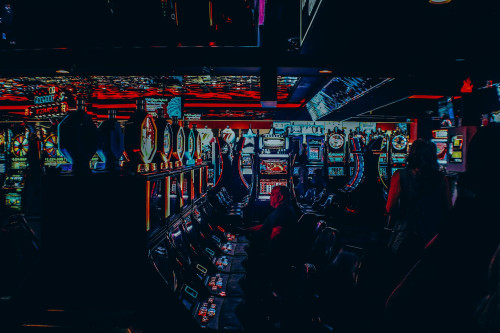
When you walk into a casino—whether it’s the bright lights of Las Vegas or an online platform on your phone—it’s easy to get swept up in the excitement. The sounds, the colors, the thrill of possibility all create the illusion that anything can happen. But behind every game lies a mathematical truth: the house always has an edge. That doesn’t mean you can’t win, but it does mean that, over time, the odds are tilted in the casino’s favor. In this article, we’ll break down what the house edge really is, how it works, and why understanding it can make you a smarter player.
What Does “House Edge” Mean?
The house edge is the built-in advantage that ensures a casino makes a profit over the long run. It’s expressed as a percentage of each bet that the casino expects to keep on average. In other words, it’s the difference between the true odds of a game and the payout the casino offers.
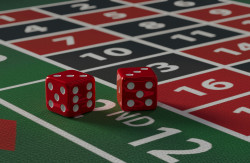
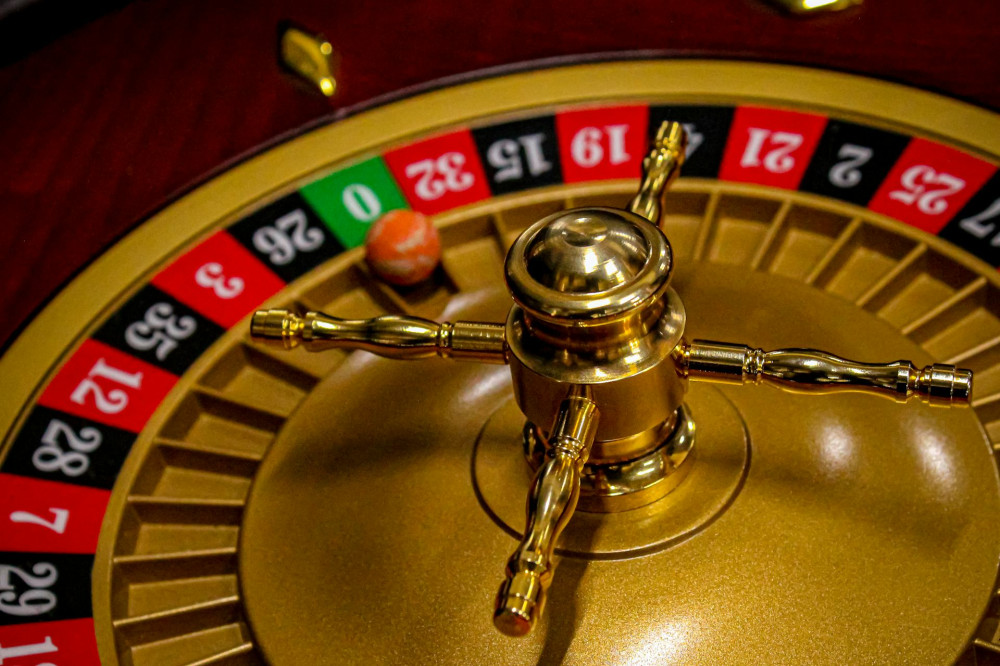
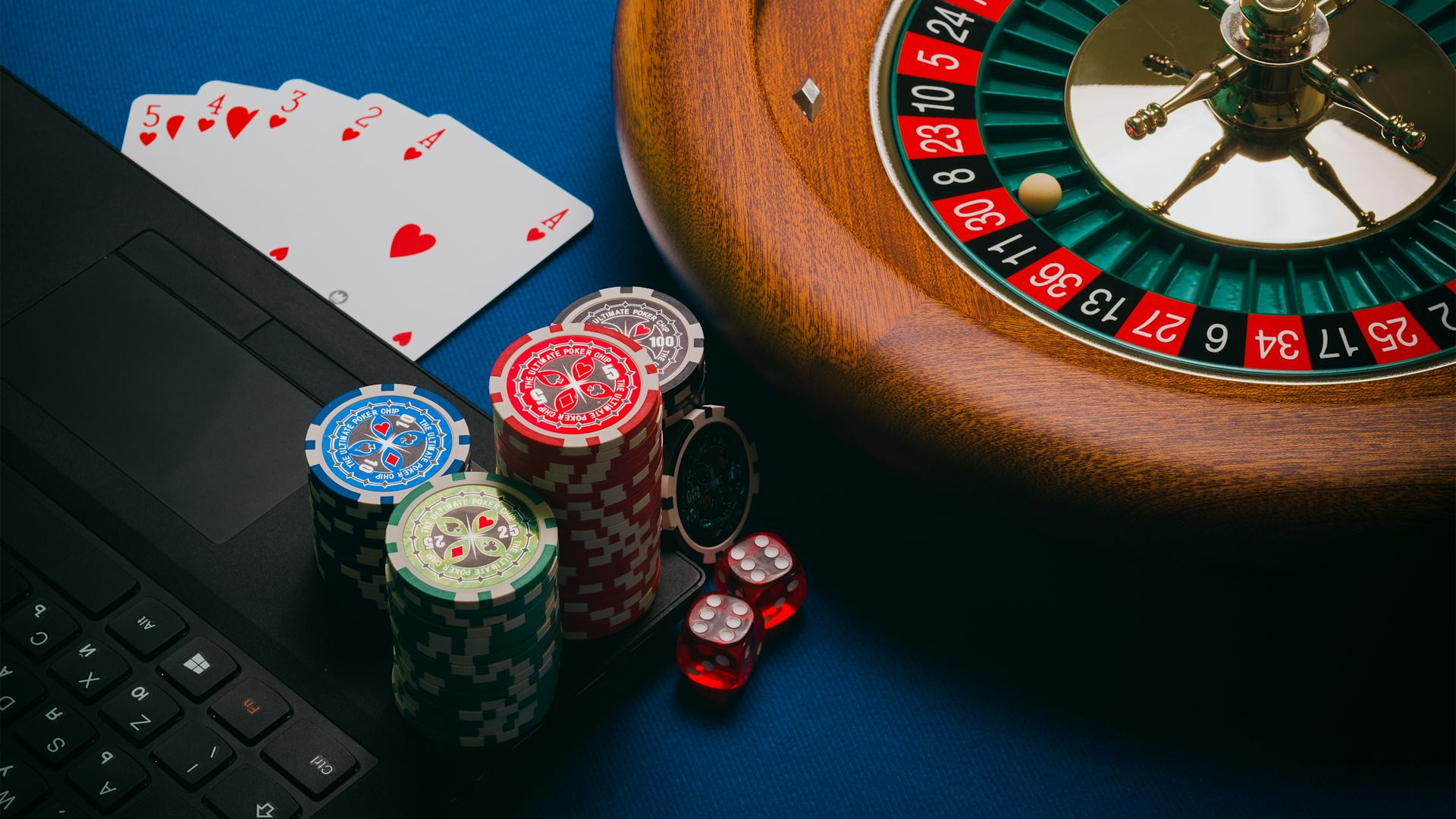
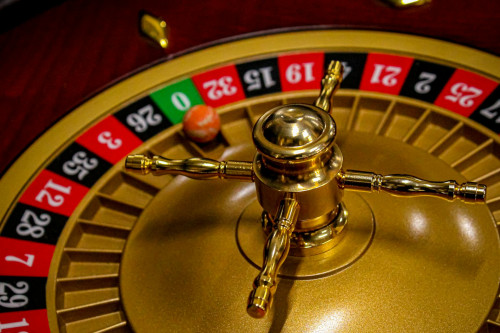
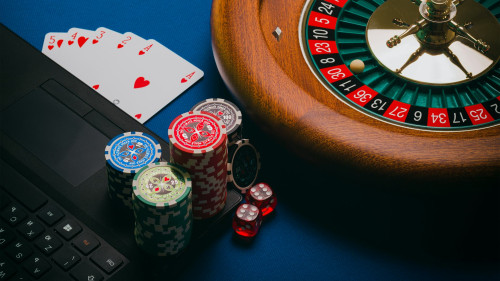
Take roulette as an example. In American roulette, there are 38 pockets—numbers 1 through 36, plus a single zero and a double zero. If you bet on a single number, the true odds of winning are 1 in 38. If the payout matched those odds, you’d win 37 times your bet. But the casino only pays 35 to 1. That small difference gives the house an edge of about 5.26%. It may not sound like much, but over thousands of spins, it guarantees the casino a steady profit.
Probability Disguised as Entertainment
Casinos are masters at turning probability into entertainment. Every spin, roll, or card draw feels like a fresh chance at fortune, but in reality, each game follows fixed mathematical rules. Every time you play, you’re repeating an experiment with random outcomes—but the probabilities never change.
This blend of chance and predictability is what makes gambling so captivating. You can get lucky in the short term, but in the long run, the math always favors the house. That’s how casinos can afford to offer free drinks, lavish décor, and massive jackpots—they know the numbers are on their side.
Games With Low and High House Edges
Not all casino games are created equal when it comes to the house edge. Some give players better odds than others.
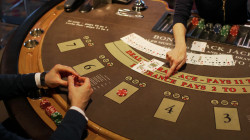
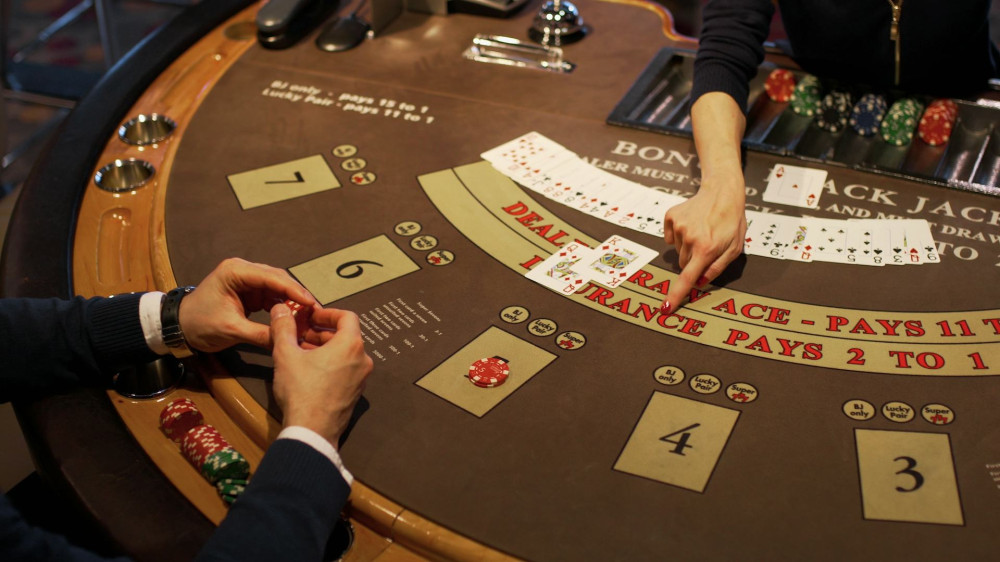
- Blackjack – One of the most player-friendly games. With perfect strategy, the house edge can drop to around 0.5%.
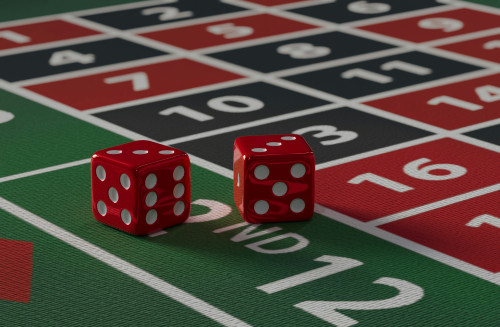
- Craps – Certain bets, like the Pass Line, have a low house edge, while others can be much less favorable.
- Roulette – European roulette (with one zero) has a house edge of about 2.7%, while American roulette (with two zeros) doubles that to roughly 5.3%.
- Slot Machines – The house edge varies widely, often ranging from 4% to 10% or more, depending on the machine and casino.
Knowing these differences can help you choose games that offer more entertainment for your money—and slightly better chances of walking away a winner.
The Role of Luck—and Why It Still Matters
Even though the math is unshakable, luck still plays a huge role in any single game. You might hit a jackpot on your first spin or lose several hands in a row—both are entirely possible within the laws of probability. That unpredictability is what keeps gambling exciting.
But it’s important to remember that luck can’t be controlled or predicted. Strategies can help you play smarter, but they can’t change the underlying odds. The best mindset is to treat gambling as entertainment, not as a way to make money.
Læs også:
Why the House Always Wins in the Long Run
The house edge isn’t a trick—it’s a business model. It ensures that casinos can pay out winnings, cover their costs, and still make a profit. Over time, the statistical advantage smooths out even the biggest winning streaks.
For players, this means it’s wise to play with awareness. Understanding how the house edge works helps you manage your expectations—and maybe even enjoy the experience more, knowing what’s happening behind the scenes.
Play Responsibly—and With Insight
Learning about the house edge isn’t meant to take the fun out of gambling. It’s about giving you a realistic perspective. When you understand how probability and luck interact, you can make smarter choices: set limits, pick games with lower house edges, and play for enjoyment rather than profit.
In the end, it’s the balance between knowledge and excitement that makes the casino world so alluring—and reminds us that even when the house has the edge, luck can still smile on us for a moment.
Læs også: