The Magic of Probability: Boost Your Gaming Enjoyment Through Insight into Odds

The Magic of Probability: Boost Your Gaming Enjoyment Through Insight into Odds
Playing isn’t just about luck—it’s also about understanding. When you know the probabilities behind the games you play, you can make smarter choices and enjoy the experience more deeply. Whether you’re into poker nights with friends, blackjack at a Las Vegas casino, or online slots on your phone, understanding the odds gives you a new way to see the game—as a blend of entertainment, strategy, and mathematics.
Why Probability Matters
At its core, probability measures how likely something is to happen. In gaming, it’s about understanding how often you can expect to win—and how much you might lose on average. It doesn’t mean you can predict the outcome of a single hand or spin, but it helps you grasp the long-term patterns.
When you understand the odds, the game becomes more transparent. You know what you’re getting into, and you can better judge which games fit your style and budget. That awareness can actually make gaming more enjoyable, because you’re playing with insight rather than just hope.
The House Edge—and What It Means for You
Most casino games are designed with what’s called a house edge—a small percentage that ensures the casino makes money over time. That doesn’t mean you can’t win, but it does mean the odds are always tilted slightly in the house’s favor.
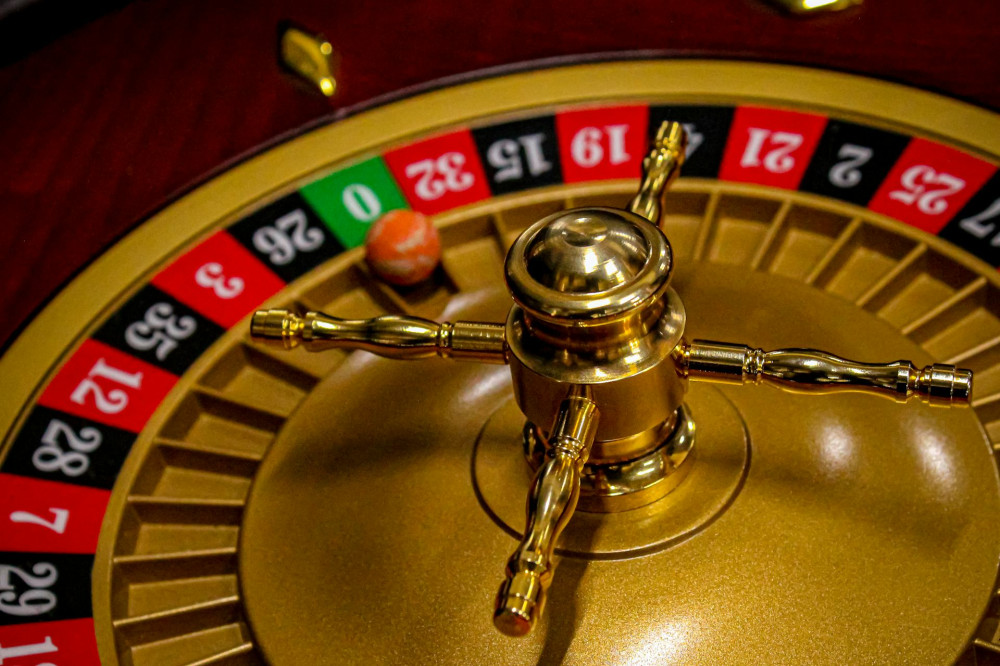
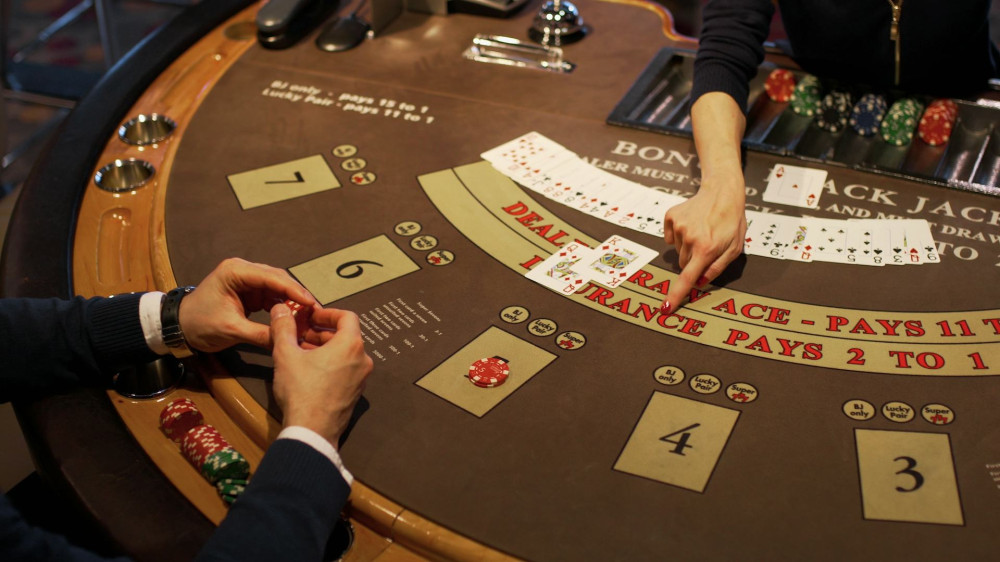
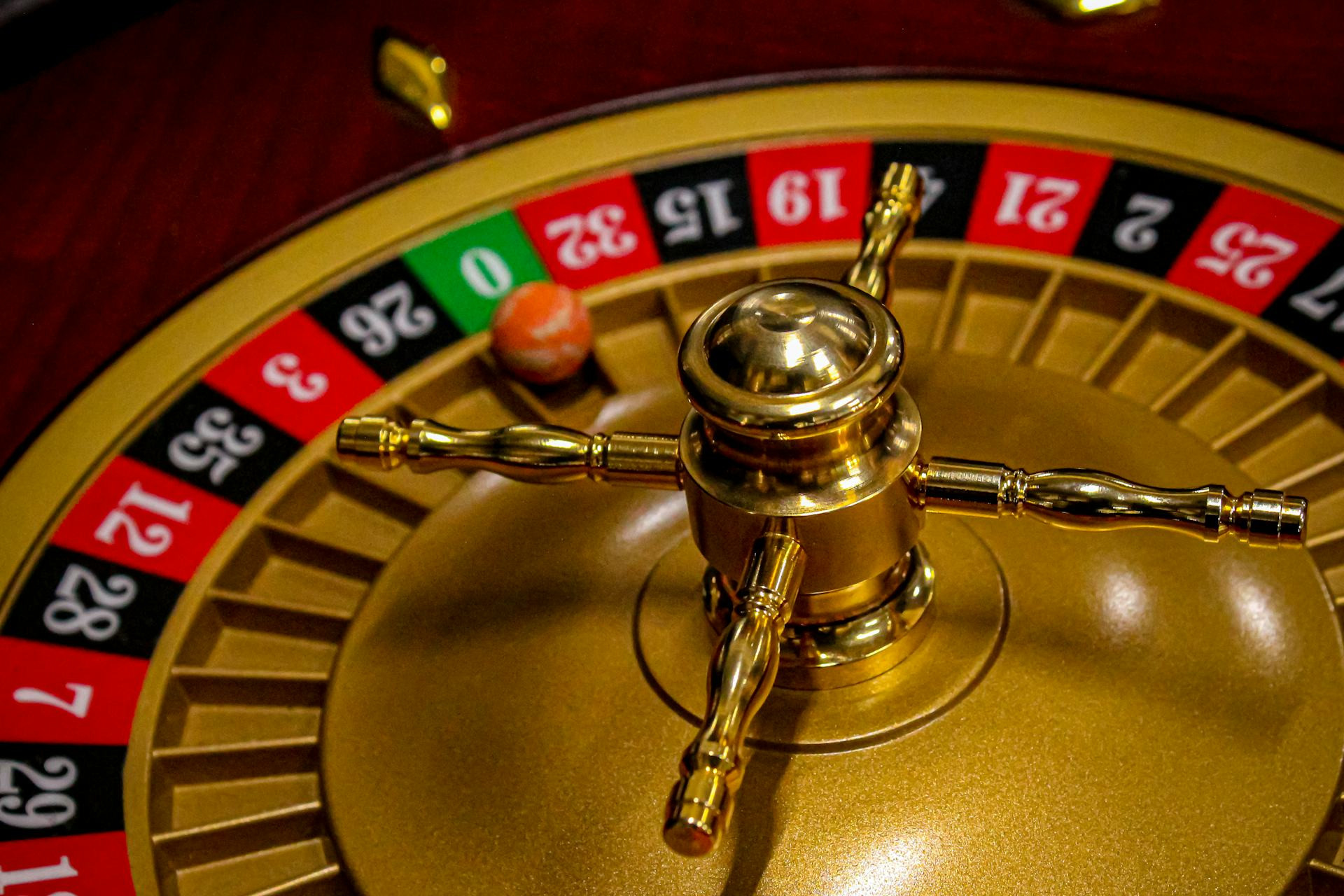
For example, American roulette has a house edge of about 5.26%, thanks to the extra double zero on the wheel. Blackjack, when played with basic strategy, can reduce the house edge to less than 1%. Knowing these numbers helps you choose games where your money lasts longer and your chances are fairer.
Play with Strategy, Not Superstition
Many players have lucky charms or rituals they swear by, but in reality, most game outcomes are independent of previous results. A coin that lands on heads five times in a row still has a 50% chance of landing on tails next time.
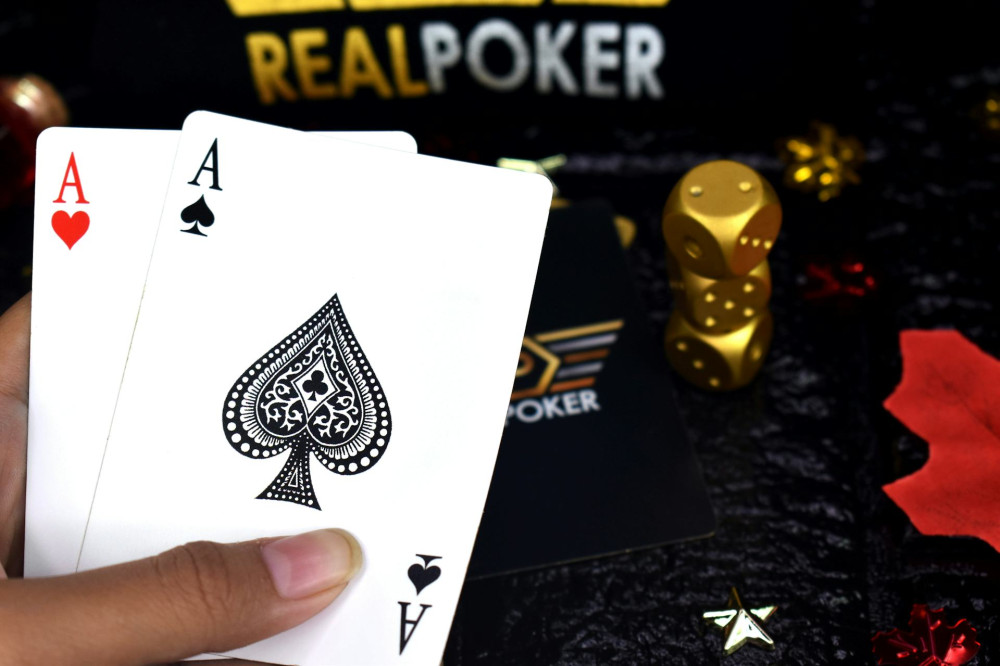
Instead of relying on superstition, you can use simple, probability-based strategies. In blackjack, learning when to hit, stand, or double down can significantly improve your odds. In poker, understanding pot odds and expected value helps you make decisions that pay off over time. Strategy doesn’t eliminate luck—but it helps you make the most of it.
Læs også:

Understanding Variance—and Why Luck Still Matters
Even when you play with perfect strategy, short-term results can swing wildly. This is called variance—the difference between short-term outcomes and long-term expectations. You might have a lucky streak where everything goes your way, or a rough patch where nothing seems to work, even though you’re playing correctly.
Recognizing variance helps you stay calm and realistic. It reminds you that losing doesn’t always mean you played badly, and winning doesn’t always mean you played perfectly. Over time, results tend to align with the probabilities—but in the short run, anything can happen.
Enjoyment Through Knowledge
When you see gaming as a mix of chance and mathematics, the experience changes. You start to appreciate the thrill of uncertainty without being misled by the illusion of control. You can set realistic expectations, enjoy the entertainment value, and feel more confident as a player.
Understanding probability doesn’t take the magic out of gaming—it reveals it. The real magic lies in the numbers, in the randomness, and in the way small chances can create big moments of excitement.
Læs også: