From the Casino to Everyday Finances: What Games Can Teach You About Financial Awareness


From the Casino to Everyday Finances: What Games Can Teach You About Financial Awareness
When most people think of casinos, financial responsibility probably isn’t the first thing that comes to mind. Yet, the same principles that guide games of chance can offer valuable lessons about how we handle money in everyday life. From assessing risk and setting limits to managing emotions and understanding probability, the world of gaming can serve as a mirror for our financial behavior. Let’s explore how insights from the casino floor can translate into smarter financial habits at home.
Risk and Reward – Learning to Weigh Your Choices
Every casino game is built around a balance between risk and potential reward. The same logic applies to personal finance. Whether you’re investing in the stock market, buying a home, or considering a big purchase, it’s all about evaluating how much you’re willing to risk for a possible gain.
Experienced players know that you can’t win every time—and that the key is making informed decisions. In your financial life, that means understanding your “odds”: What’s the likelihood that an investment will pay off? What happens if it doesn’t? Thinking like a strategic player helps you make more realistic, well-considered financial choices.
Budgeting as Your Betting Limit
One of the golden rules of responsible gambling is to set a limit on how much you’re willing to spend—and stick to it. The same principle applies to your personal finances. A budget is your personal betting limit: it helps you control how much you can spend without jeopardizing your financial stability.
Just as a seasoned player wouldn’t bet all their winnings on a single hand, you shouldn’t spend your entire paycheck without considering savings, bills, and unexpected expenses. A clear budget gives you structure and peace of mind—and makes it easier to enjoy the money you’ve set aside for fun.
Impulse Control and Emotional Decisions
Casinos are designed to stir emotions—excitement, hope, frustration, and euphoria. Those same emotions can influence our financial decisions in everyday life. Many of us have made a spontaneous purchase that felt right in the moment but led to regret later.
Learning to recognize and manage these impulses is a key part of financial awareness. Skilled players know when to walk away or take a break. The same applies to money management: sometimes the smartest move is to pause, think, and make decisions with a clear head.
Understanding Probability – Avoiding the Illusion of Control
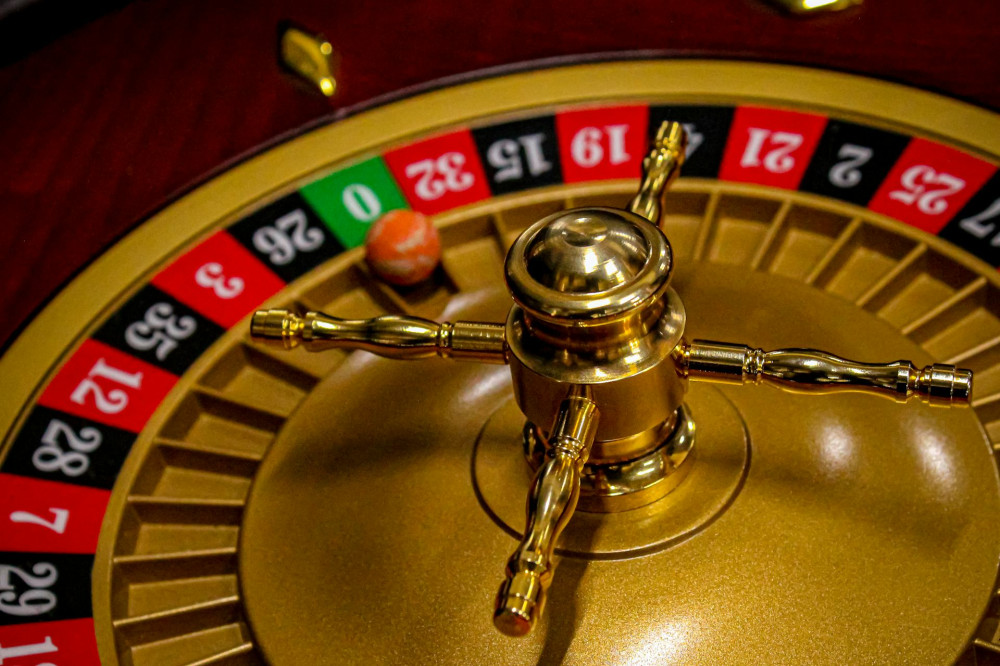
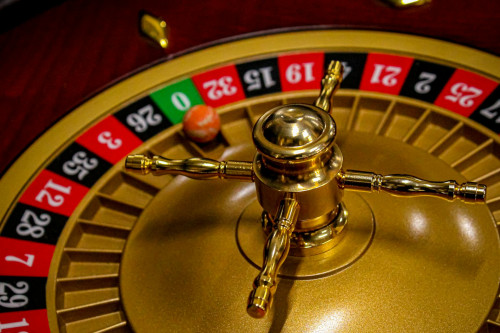
A common mistake in gambling is believing you can predict random outcomes. For example, if the roulette wheel lands on black five times in a row, many assume red is “due”—but the odds remain the same. This illusion of control can also creep into our financial decisions.
When investing or planning your finances, it’s important to accept that not everything can be controlled. Markets, interest rates, and prices often move unpredictably. By focusing on what you can control—your spending, savings, and risk tolerance—you become a more mindful and resilient financial decision-maker.
Patience and Strategy Pay Off
In both gaming and finance, patience is an underrated virtue. Many players lose because they chase quick wins, while the most successful ones think long-term and play strategically. The same is true for financial planning: small, consistent actions over time often yield better results than risky, short-term bets.
Saving regularly, investing steadily, and sticking to a plan require discipline—but that discipline is what separates luck from strategy. Financial awareness isn’t about avoiding risk altogether; it’s about taking risks that make sense for your goals and situation.
Læs også:



From Games to Smart Money Habits
While casinos and personal finance may seem worlds apart, they share many of the same core principles. Both involve understanding risk, managing impulses, and making informed decisions. By applying the best habits from gaming—planning ahead, setting limits, and reflecting on your choices—you can strengthen your financial awareness and build a more stable, confident future.
Læs også: