Is the Game Too Easy or Too Hard? How to Find the Right Balance in Your Casino Games


Is the Game Too Easy or Too Hard? How to Find the Right Balance in Your Casino Games
When you play casino games—whether online or at a brick‑and‑mortar casino—the experience isn’t just about luck. It’s also about finding the right balance between challenge and enjoyment. A game that’s too easy can quickly become dull, while one that feels too difficult can drain both your motivation and your bankroll. So how do you find the level that suits you best? Here’s a guide to understanding, adjusting, and enjoying your casino games in a way that keeps the fun alive while staying in control.
Know Your Playing Style
Before you can find the right balance, it’s important to understand what kind of player you are. Some people chase the thrill of big wins and high stakes, while others prefer a slower pace and smaller bets that stretch the entertainment value.
- The strategic player thrives on games where skill and decision‑making matter—like poker or blackjack. These players enjoy learning the rules, studying probabilities, and applying strategy to improve their odds.
- The casual player is in it for the fun and atmosphere. Slot machines or roulette are great choices here because they require little preparation and deliver quick results.
- The social player enjoys the community aspect of gaming—live dealer tables, bingo, or poker rooms where interaction is part of the excitement.
Once you know your playing style, it becomes easier to choose games that match your personality and expectations.
Choose Games with the Right Level of Difficulty
Casino games vary widely in complexity. Some rely almost entirely on luck, while others reward players who take the time to learn strategies and patterns.
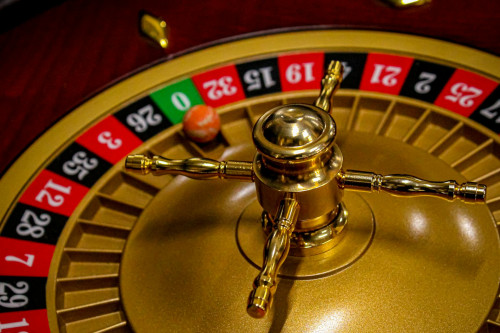
- Beginner‑friendly games: Slots, roulette, and keno are ideal if you want to jump in without mastering complicated rules. The outcomes are mostly random, so you can focus on the fun.
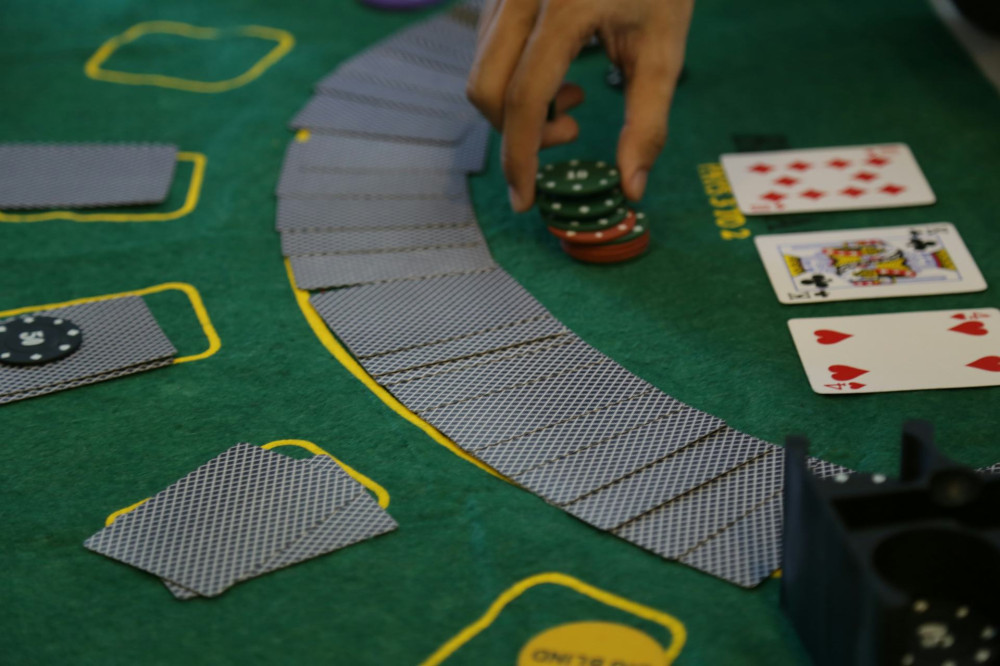
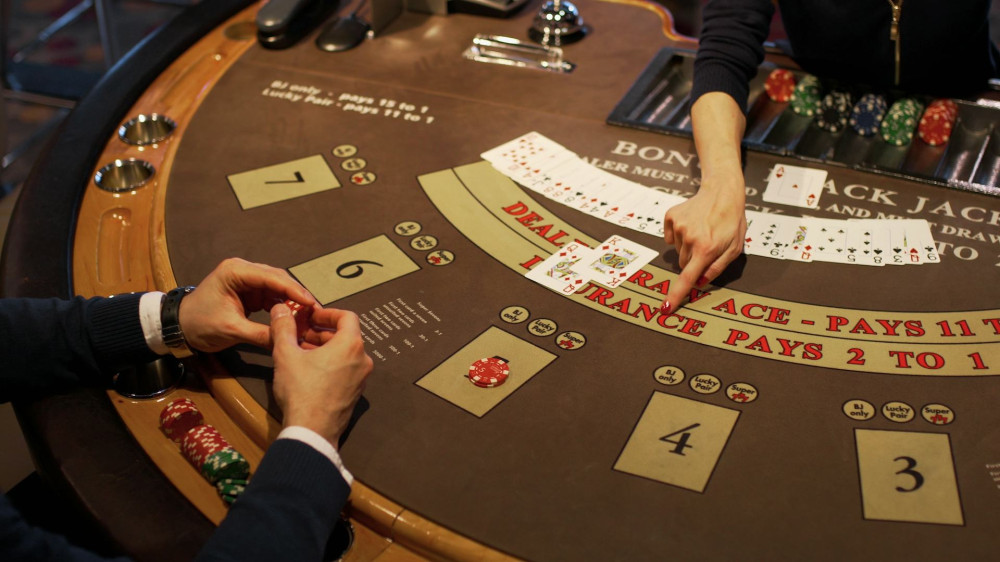
- Intermediate games: Blackjack and video poker combine luck with strategy. Learning basic decision rules can significantly improve your chances.
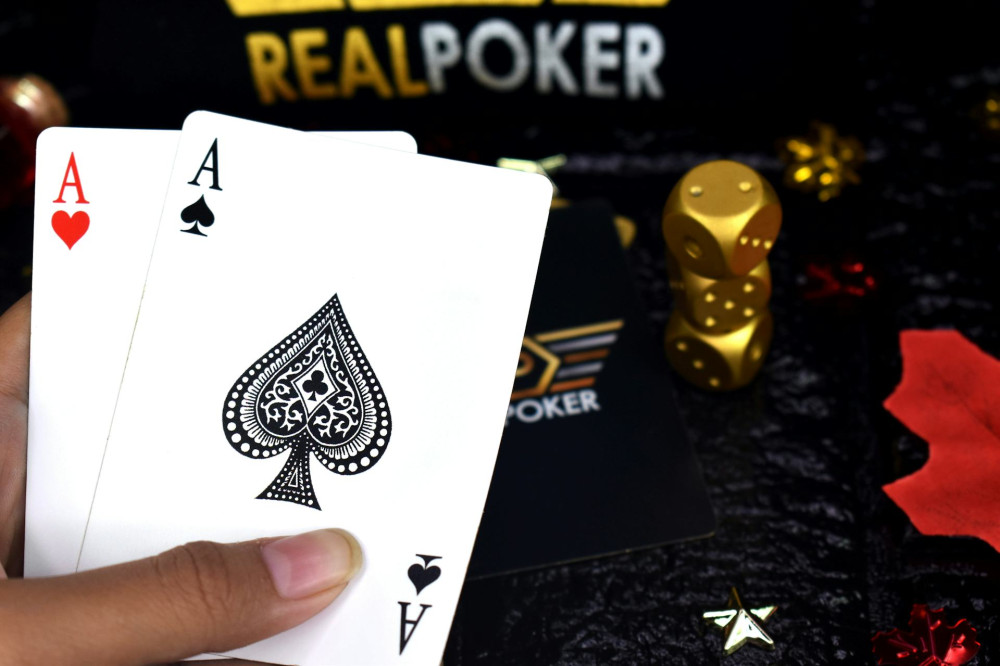
- Advanced games: Poker and sports betting require knowledge, experience, and psychological insight. You can influence the outcome more directly—but you also risk bigger losses if you’re unprepared.
The key is to pick games that challenge you without overwhelming you. If you often feel confused or frustrated, the game might be too hard—and that can quickly take the joy out of playing.
Adjust Your Stakes and Playtime
Even the most entertaining game can become stressful if you play too long or bet too much. Finding balance also means managing your pace and spending.
- Set a budget before you start, and stick to it. This helps you enjoy the game without financial pressure.
- Play in short sessions. Taking breaks keeps your focus sharp and prevents impulsive decisions.
- Adjust your bets according to your comfort level and experience. If you’re new to a game, start small until you feel confident.
Responsible gaming doesn’t mean removing the excitement—it means keeping control so the experience stays enjoyable.
Learn from Your Experiences
One of the best ways to find your ideal balance is to reflect on your gaming sessions. After you play, ask yourself:
- Was the game too easy or too hard?
- Did I feel entertained or stressed?
- Did I spend more than I planned?
- What can I do differently next time?
By evaluating your habits, you can fine‑tune your game choices, bet sizes, and playtime. Over time, you’ll discover which games bring you the most satisfaction—and which ones to skip.
Læs også:

Remember: Gaming Is Entertainment
Casino games are designed for fun, not as a source of income. When you treat gaming as a form of recreation, it’s easier to accept both wins and losses as part of the experience.
If you notice that gambling starts to take up too much of your time or that you’re chasing losses, it’s a sign that the balance has shifted. In that case, take a break or reach out to a responsible gaming organization such as the National Council on Problem Gambling (NCPG) for support.
Finding the right balance ultimately comes down to knowing your limits—and playing in a way that brings you enjoyment, excitement, and control instead of frustration.
Læs også: