Play Poker at Home: How to Choose the Right Playing Surface Without a Professional Table

Play Poker at Home: How to Choose the Right Playing Surface Without a Professional Table
Hosting a poker night with friends doesn’t require a professional casino table. With a bit of planning, you can create a playing surface that looks great, feels comfortable, and makes the game run smoothly. Here’s a guide to choosing—or creating—the best poker surface for your home games.
Why the Playing Surface Matters
A good playing surface isn’t just about looks. It affects how easily cards slide, how chips stack, and how comfortable it is to play for hours. A surface that’s too slick can make cards fly off the table, while one that’s too rough or hard can make shuffling and dealing awkward.
That’s why it’s worth thinking about materials, size, and stability—even if you don’t have a dedicated poker table.
Start with What You Have—But Choose Wisely
Most home games start around a dining table, and that’s perfectly fine with a few adjustments. Here are some common options:
- Wood dining table: Sturdy and spacious, but often too smooth. Add a felt or fabric layer on top to improve card control.
- Folding table: Great if you’re short on space. Just make sure it’s stable and doesn’t wobble when players lean in or stack chips.
- Outdoor table: Works for summer games, but watch out for uneven surfaces and wind. A heavy tablecloth or mat helps keep things in place.
Whatever table you use, make sure there’s enough room for everyone—typically six to eight players—and that everyone can reach the center comfortably.
The Surface Layer: From Tablecloths to Poker Mats
The surface layer makes the biggest difference. It provides the right amount of friction, softens chip noise, and protects your table. You have several good options:
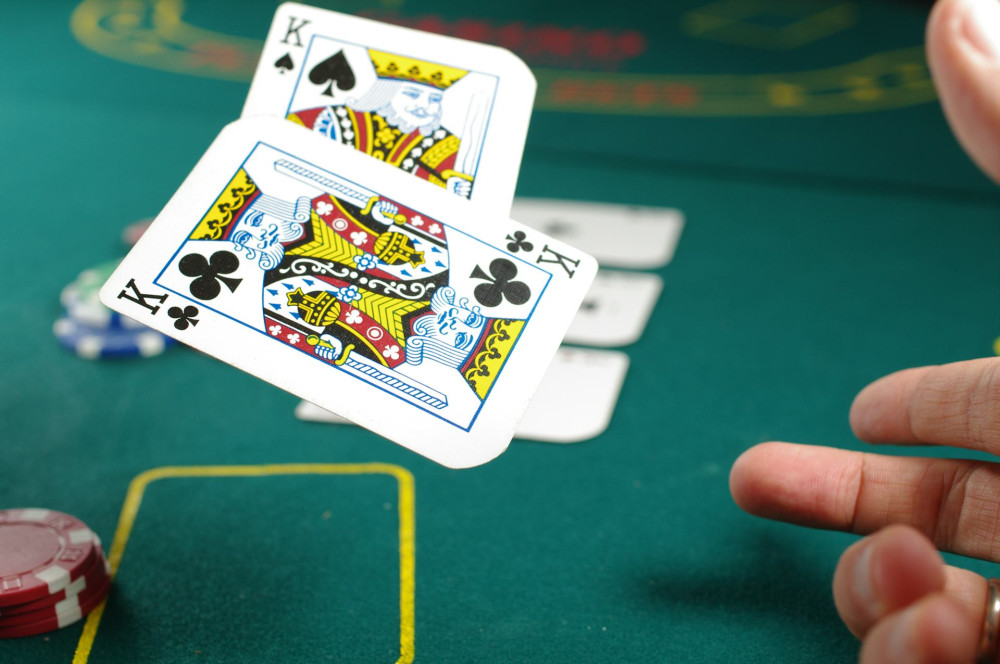
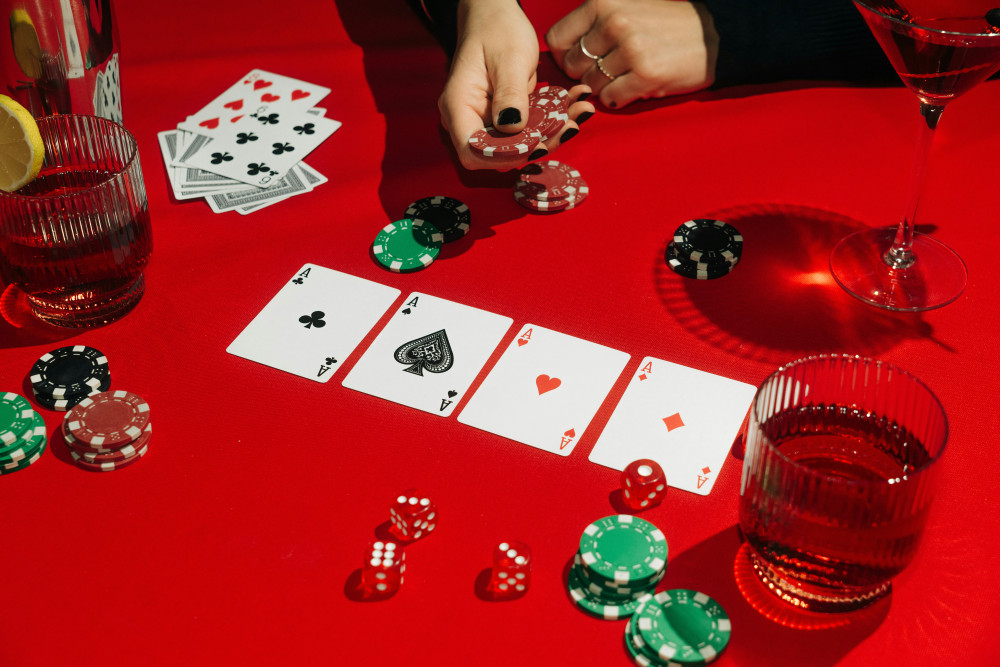
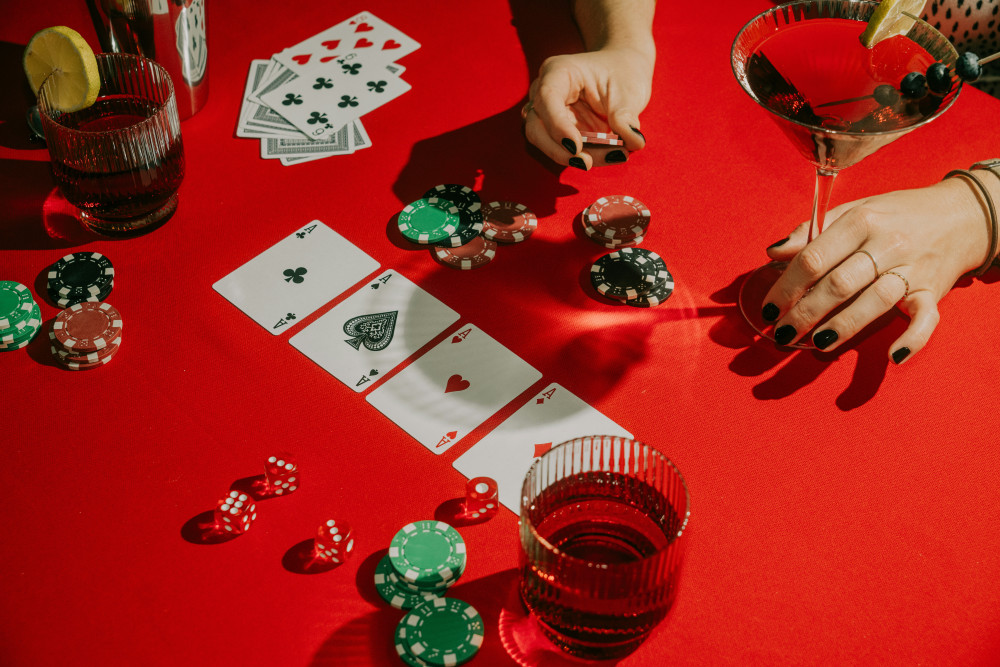
- Green felt or velour: The classic casino look, available by the yard at craft stores. It feels authentic but can wear out over time.
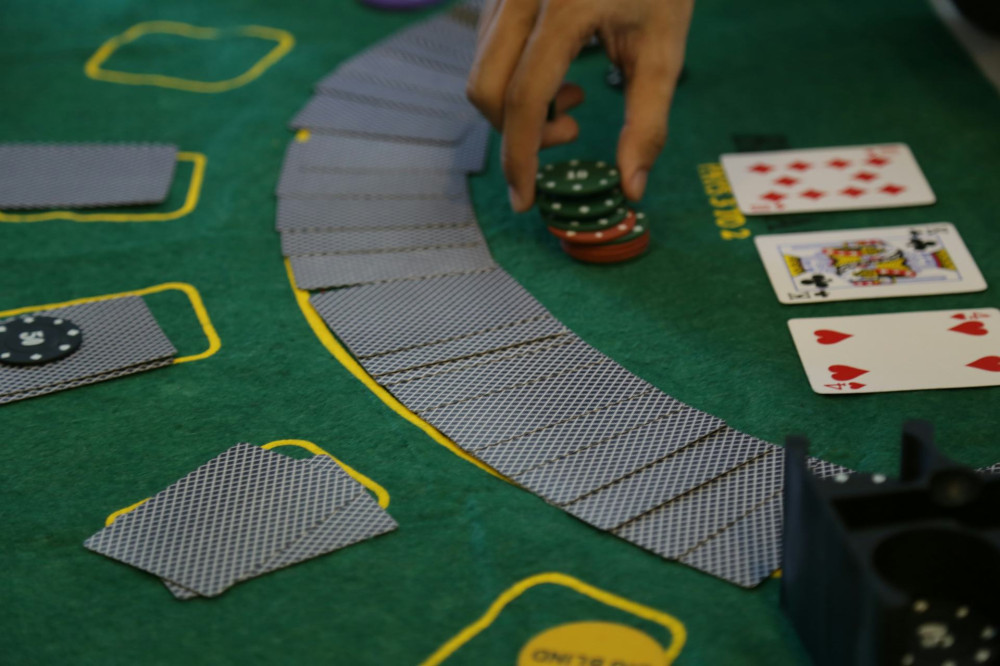
- Poker mats: Roll-up mats with a rubber backing that stay in place and store easily. Many come with printed betting areas and dealer spots for a professional touch.
- DIY tablecloth: A thick cotton or microfiber cloth can work well, especially if you add a thin foam pad underneath for cushioning.
If you want to go a step further, consider a removable poker topper—a padded, felt-covered board that fits over your table and can be stored away afterward.
Comfort and Atmosphere
Poker nights can last for hours, so comfort matters. Choose chairs that are the right height so players can rest their elbows comfortably on the table. Avoid chairs with bulky armrests that restrict movement.
Lighting is also key. Aim for even, soft light without harsh shadows. A hanging lamp above the table gives a classic look, but make sure it doesn’t glare in anyone’s eyes. Dim background lighting can add a cozy, casino-like feel.
Small Details That Make a Big Difference
It’s the little touches that turn a casual game into a memorable poker night:
- Plastic playing cards last longer and slide better than paper ones.
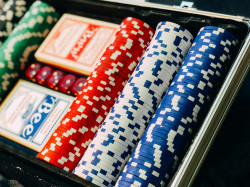
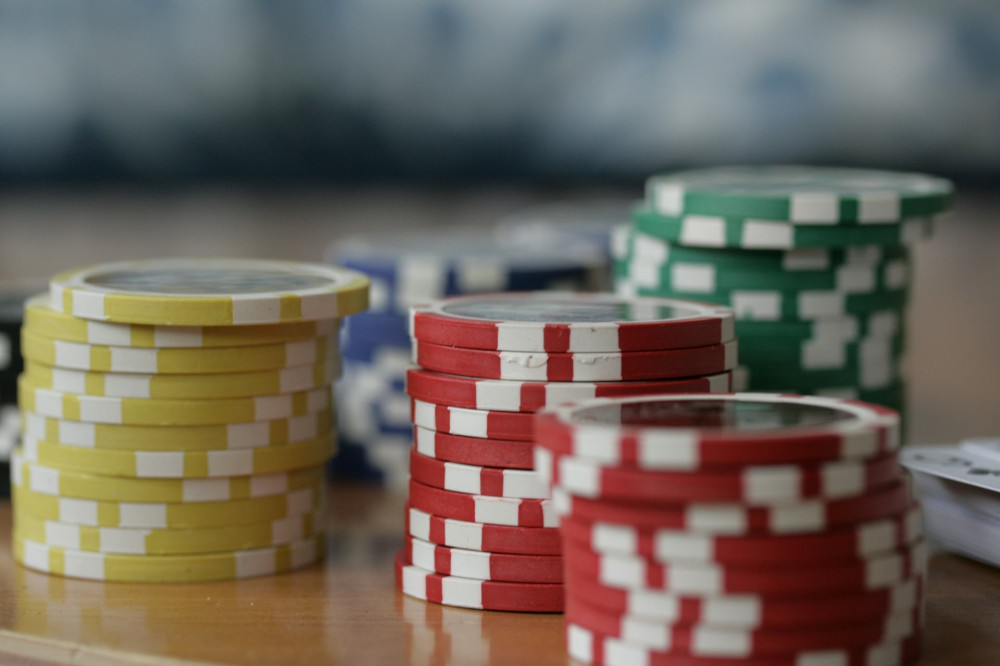
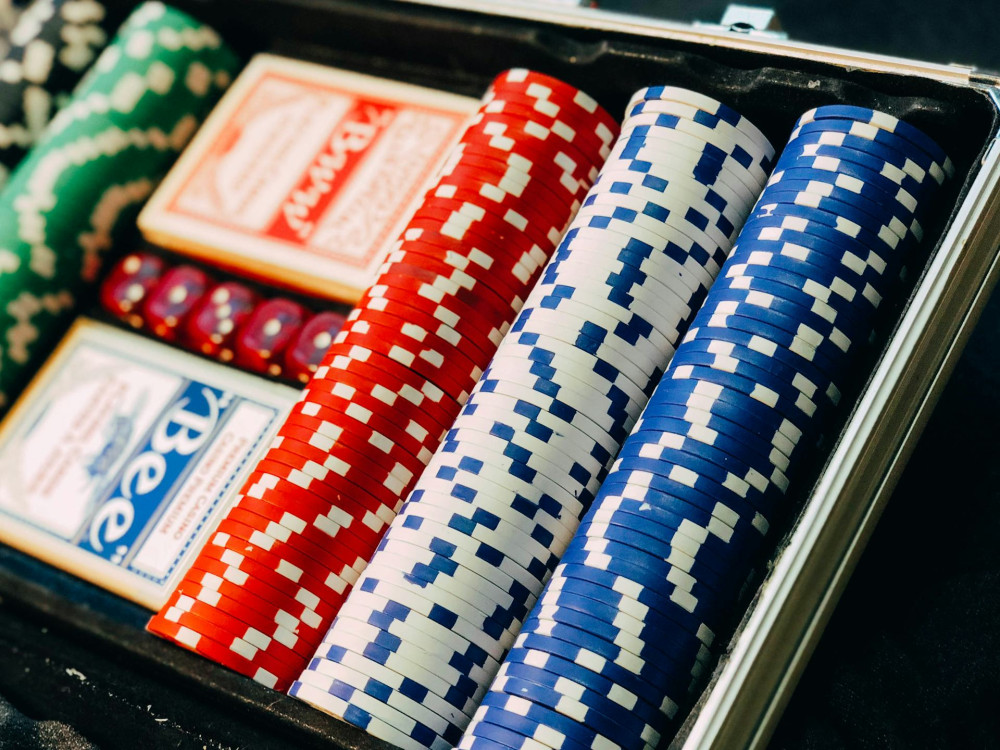
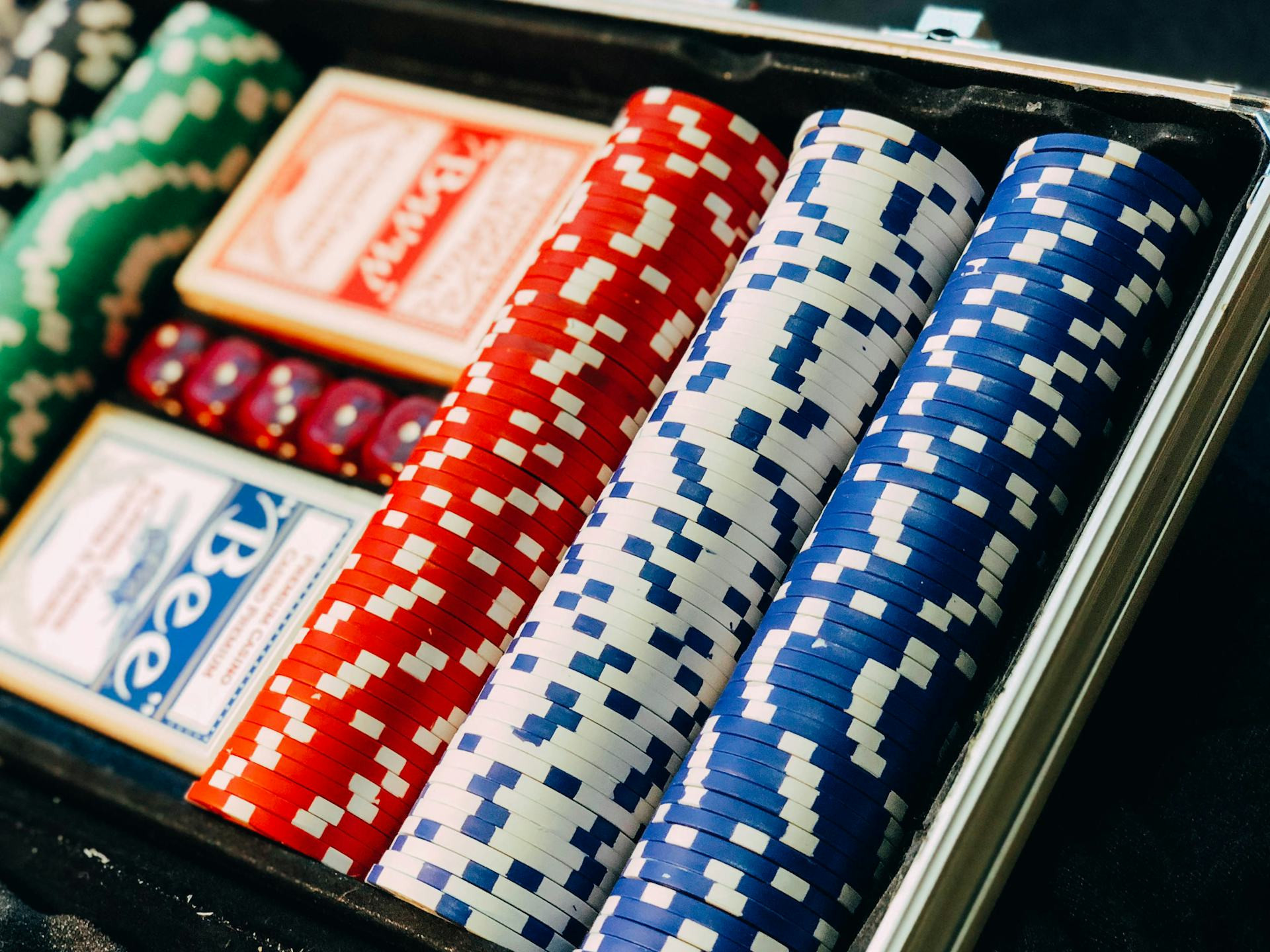
- Weighted chips feel authentic and make it easier to manage bets.
- Cup holders or small trays protect your surface from spills.
- A dealer button and, if you like, an automatic shuffler help keep the game organized and moving.
If you play regularly, investing in a few of these accessories can make your setup feel almost professional.
Læs også:
Make It Your Own Poker Night
The most important part of any poker night is the atmosphere. Good company, snacks, and a clear structure for the game make everything flow better. You don’t need an expensive setup—it’s about creating a space that fits your group.
With a stable table, a well-chosen surface, and attention to comfort and detail, you can enjoy a poker experience that looks and feels great—without ever buying a professional poker table.
Læs også: