Blinds, Antes, and the Dealer Button: The Key to Understanding Poker’s Rhythm

Blinds, Antes, and the Dealer Button: The Key to Understanding Poker’s Rhythm
For many beginners, poker can seem like a game of luck and bluffing. But behind the dramatic moments at the table lies a clear structure that shapes the game’s pace and strategy. Three elements are essential to understanding this rhythm: blinds, antes, and the dealer button. They determine who pays, who acts first, and how the pot grows — and together, they define how each hand unfolds.
The Dealer Button – The Heart of the Game
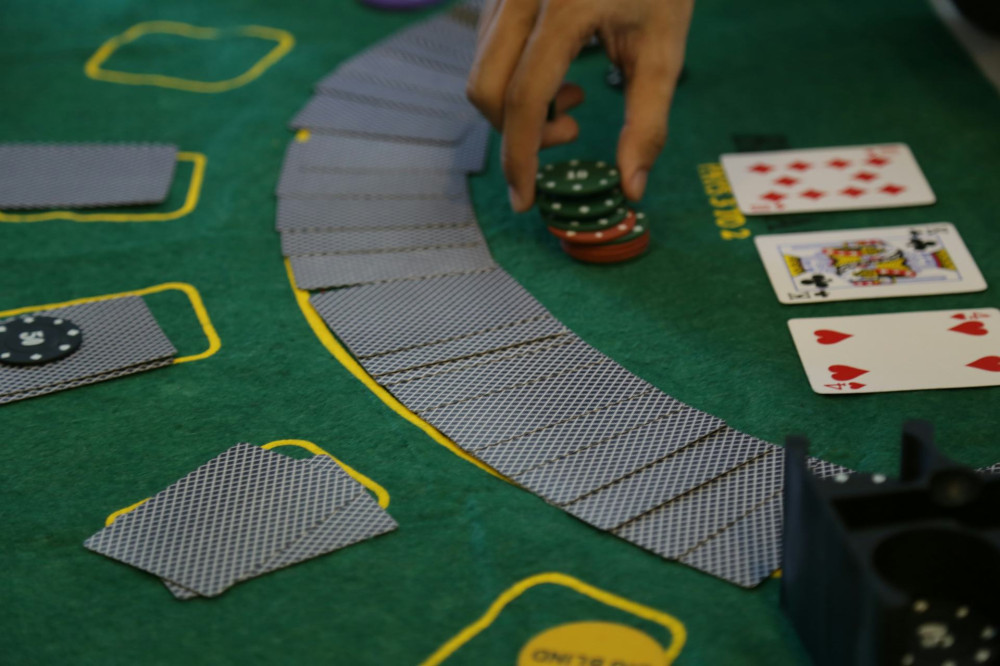
The dealer button, often simply called the button, marks the player who would theoretically deal the cards. In modern poker rooms and casinos, a professional dealer handles the cards, but the button still determines the order of play. It moves clockwise around the table after every hand, ensuring that each player takes turns enjoying the advantages and disadvantages of position.
Sitting “on the button” is one of the most powerful positions in poker. After the flop, you act last in every betting round, giving you more information about your opponents’ actions. That extra insight helps you decide whether to bet, call, or fold — a crucial edge in a game built on incomplete information.
Blinds – The Engine That Keeps the Game Moving
Without forced bets, poker would grind to a halt. If no one had to put money in the pot, players could simply wait for premium hands. That’s why blinds exist — two mandatory bets placed by the players to the left of the dealer button before any cards are dealt.
- Small blind: The first player to the left of the button posts a smaller bet.
- Big blind: The next player posts a larger bet, usually twice the size of the small blind.
Blinds ensure that there’s always something to play for and that every hand has action. As the blinds rotate around the table, every player is required to contribute, keeping the game fair and dynamic.
Antes – When Everyone Chips In
In some poker formats, especially tournaments, blinds are supplemented by antes — small bets that every player must post before the hand begins. Antes increase the pot size and encourage more action, particularly as the number of players dwindles.
When antes are in play, folding too often becomes expensive. Everyone has money in the pot from the start, which pushes players to defend their chips and play more aggressively. The result is a faster, more intense game where every decision carries weight.
Position and Strategy – Why Order Matters
Blinds and the dealer button don’t just determine who pays; they also define who acts first. In poker, position is one of the most important strategic factors. Acting later in a hand gives you more information and control.
- Early position (before the button): You act first and have the least information. Stronger hands are needed to play profitably here.
- Late position (on or near the button): You act last and can exploit others’ weaknesses. This is where you can play more hands and bluff more effectively.
Understanding how position shifts with each hand — and how blinds and antes influence that movement — is key to developing a winning strategy.
Tournaments and Rising Blinds
In tournament poker, blinds and antes increase over time to keep the game progressing. This structure prevents players from sitting back indefinitely, waiting for perfect cards. As the blinds rise, the pressure mounts, forcing players to take risks and fight for survival.
This gradual escalation creates a natural rhythm: a slow, strategic start that builds into a high-stakes finale where every chip matters. Adapting to rising blinds is one of the greatest challenges — and thrills — of tournament play.
Læs også:
A Rhythm That Balances the Game
Blinds, antes, and the dealer button aren’t just technical details — they’re the foundation of poker’s rhythm. They keep the game moving, ensure fairness, and create the balance between luck, skill, and psychology that makes poker endlessly fascinating. Once you understand how these elements interact, you’ll see poker not as a game of chance, but as a game of structure, timing, and decision-making.
Læs også: