Friends at the Table: Keep Your Poker Strategy Without Letting Emotions Take Over

Friends at the Table: Keep Your Poker Strategy Without Letting Emotions Take Over
Playing poker with friends can be both fun and intense. There’s laughter, teasing, and plenty of friendly competition—but in the middle of all that energy, it can be hard to keep your cool. Even though it’s “just a game,” emotions like frustration, overconfidence, or revenge can quickly take over. And that’s exactly when many players lose sight of their strategy. This article is about how to keep your poker strategy intact, even when emotions start to rise.
When Fun Turns Competitive
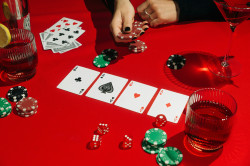
A friendly poker night often starts relaxed. The chips clink, the snacks are out, and everyone’s in good spirits. But as the pot grows and the cards don’t fall your way, the mood can shift. Maybe you get irritated after a bad beat, or you feel pressure to prove you can win.
That’s completely normal—poker is a mix of luck, strategy, and psychology. But when you let emotions take the wheel, you lose perspective. You might start playing too aggressively, bluffing too often, or chasing losses. That’s when you need to remind yourself that poker isn’t about winning every hand—it’s about making the best decisions over time.
Know Your Emotional Triggers
Every player has situations that throw them off balance. Maybe it’s losing to a friend you usually beat, or feeling like the cards are unfairly stacked against you. Recognizing your own triggers is the first step toward managing them.
Pay attention to how you react when you lose a big hand. Do you go quiet? Start playing faster? Try to win back what you lost right away? By noticing your patterns, you can catch yourself before things spiral—and take a short break if you need to reset.
Stick to Your Strategy
A solid poker strategy is built on patience, observation, and discipline. That means sticking to your decision-making principles, even when it’s tough. If you normally fold weak hands, do it even when you’re frustrated. If you usually play conservatively early in the game, don’t let the table’s energy push you into reckless bets.
It helps to have a few personal rules you always return to, such as:
- Only play hands you would normally play.
- Take a short break if you lose two big hands in a row.
- Remember, you don’t have to prove anything—to yourself or your friends.
These small mental anchors help you stay calm and focused, no matter what’s happening at the table.
Read Your Friends—But Don’t Let Feelings Drive You
One of the best parts of playing poker with friends is that you know their habits and reactions. You might know who bluffs often and who plays it safe. But be careful not to let personal relationships influence your decisions. It can be tempting to “get back” at a friend who beat you earlier or to show off after a lucky win—but that rarely ends well.
Instead of playing on emotion, play on observation. Watch for patterns in their behavior and use that information strategically, not emotionally. It’ll make you both more focused and harder to read.
Læs også:
Keep the Mood Positive—Even When You Lose
Poker isn’t just about winning—it’s about enjoying the game and the company. If you can take a loss with a smile, you show confidence and keep your mental balance. That makes it easier to play well in the next hand.
A good rule of thumb is to separate the game from the friendship. When the cards are put away, you’re still friends. That mindset helps everyone keep the game lighthearted and fun.
Poker as Mental Training
Learning to manage your emotions at the poker table isn’t just useful for the game—it’s great practice for life. You’re training yourself to think clearly under pressure, accept setbacks without losing focus, and make decisions based on logic rather than impulse.
So next time you sit down with your friends for a game, remember: the best player isn’t necessarily the one who wins the most hands—it’s the one who stays calm when the stakes get high.
Læs også: