Plan Your Roulette Session: Avoid Impulsive Choices with a Clear Strategy


Plan Your Roulette Session: Avoid Impulsive Choices with a Clear Strategy
Roulette is one of the most iconic casino games — a blend of excitement, chance, and strategy. But because the game moves quickly and results come in rapid succession, it’s easy to get caught up in the moment. Many players end up making impulsive decisions that undermine both their enjoyment and their bankroll. A well-thought-out plan can make all the difference between a stressful and a controlled gaming experience. Here’s how to plan your roulette session with a clear strategy.
Know Your Purpose – and Set Boundaries
Before you sit down at the table, think about why you’re playing. Is it for entertainment, to test a betting system, or to challenge yourself strategically? Your purpose should shape how you plan your session.
Next, set a clear budget — both for how much money you’re willing to play with and how long you plan to play. It’s smart to decide on a maximum loss limit and a win goal so you know when to walk away. This helps you avoid chasing losses or getting tempted to keep playing when you should take a break.
Choose the Right Version of Roulette
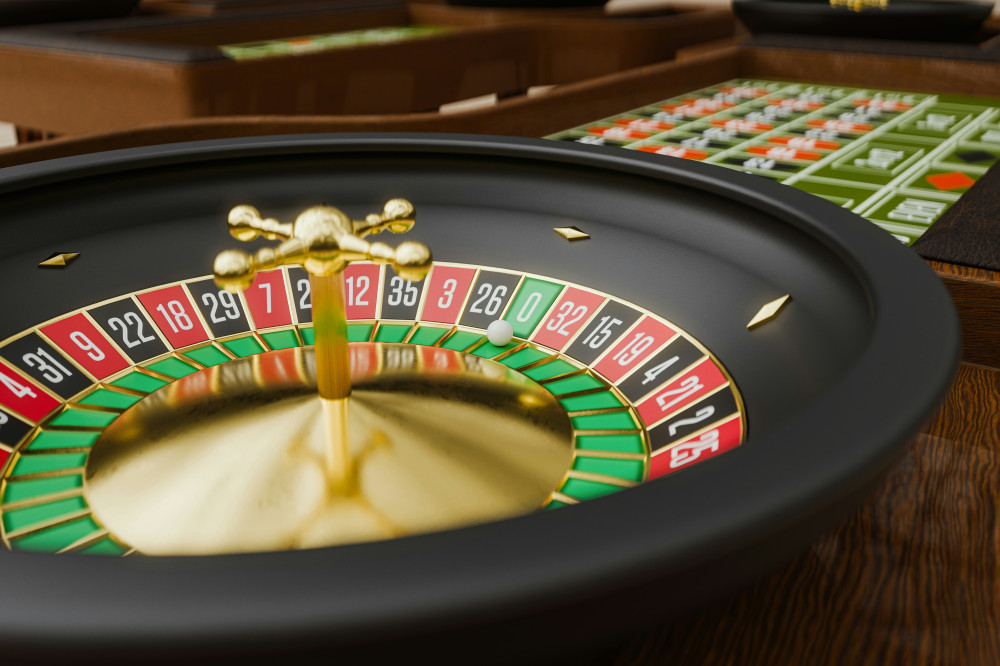
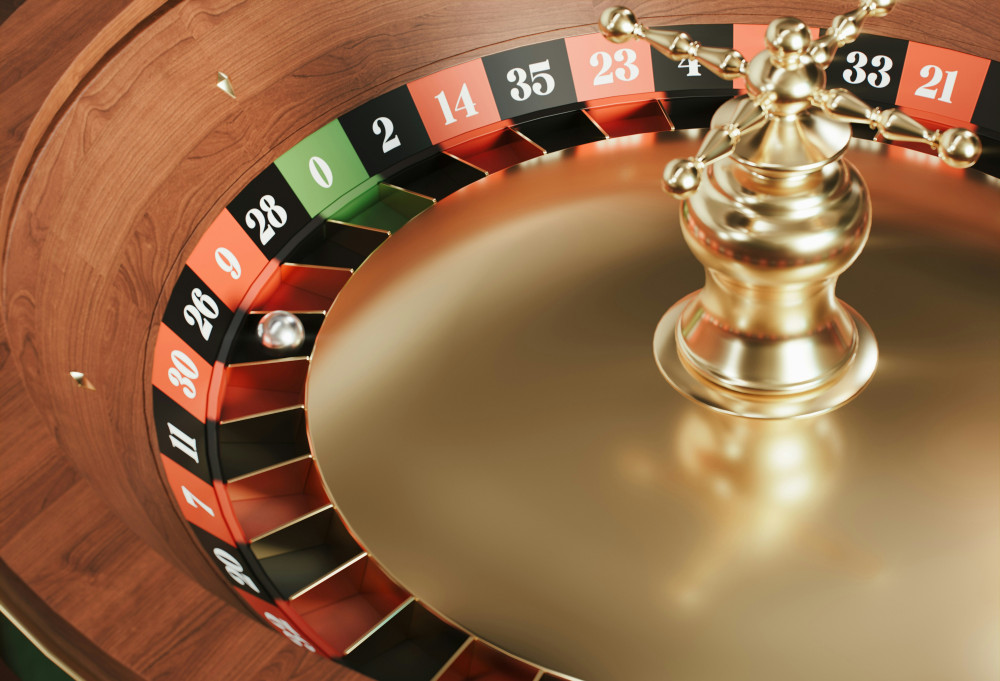
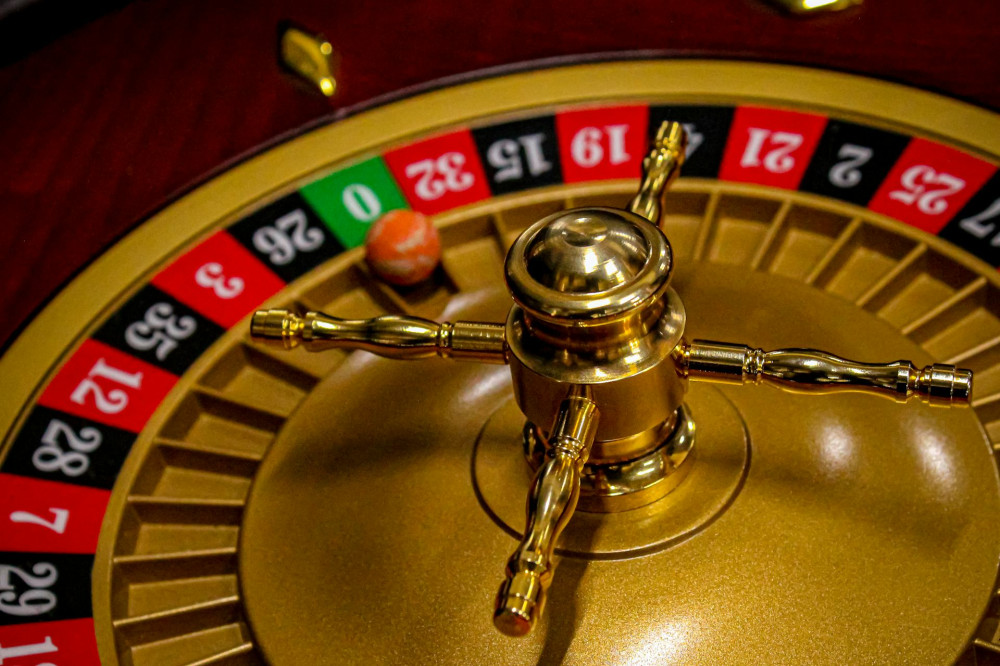
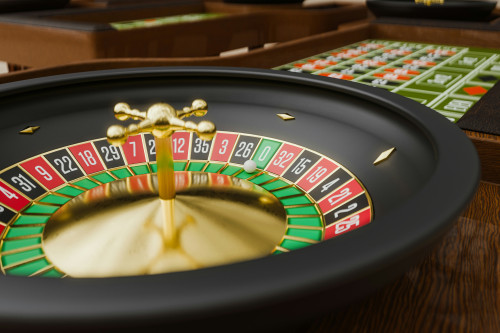
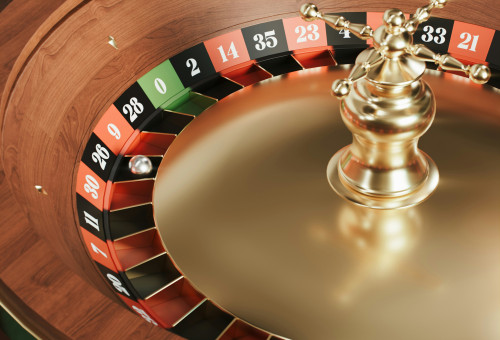
Roulette comes in several versions — most commonly European, French, and American. The main difference lies in the number of pockets on the wheel and the house edge.
- European roulette has a single zero and generally offers the best odds for players.
- French roulette is similar to European but includes special rules like La Partage and En Prison, which can reduce losses on even-money bets.
- American roulette has both a single zero and a double zero, increasing the house edge and making it less favorable for players.
If you want to play strategically and minimize risk, European or French roulette is your best bet. Many U.S. casinos now offer these versions, especially in major gaming destinations like Las Vegas and Atlantic City, as well as online.
Læs også:

Develop a Strategy – and Stick to It
While roulette is ultimately a game of chance, having a strategy helps you structure your bets and avoid impulsive decisions. There are many betting systems — such as Martingale, Fibonacci, or D’Alembert — but none can guarantee a win. The key is to choose an approach that fits your risk tolerance and budget.
Consider:
- Starting with small bets and adjusting gradually.
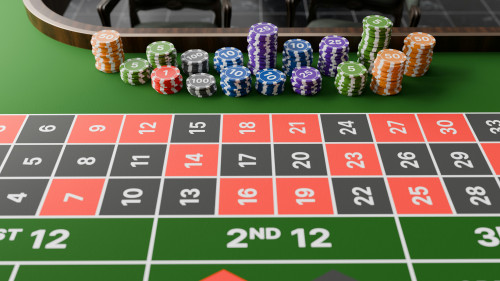
- Focusing on simple bets like red/black or even/odd, where the odds are close to 50%.
- Avoiding too many scattered bets, which can quickly become confusing and costly.
Once you’ve chosen a strategy, stick with it. It’s tempting to change tactics after a few losses, but that’s often when players lose control.
Plan Your Playtime and Take Breaks
Roulette can be intense — the wheel spins fast, and results come one after another. That’s why it’s important to plan breaks. Decide in advance to stop after a certain number of spins or after a set amount of time, regardless of whether you’re winning or losing.
Breaks help you stay focused and prevent emotional decision-making. Use them to breathe, review your strategy, and check in with yourself to make sure you’re still playing for fun.
Track Your Results
A simple way to stay in control is to keep a record of your play. Note what types of bets you make and how they perform. This gives you a realistic picture of how your strategy works over time — and helps you adjust it if needed.
It can also be eye-opening to see how quickly small losses can add up if you’re not paying attention. By tracking your results, you become more aware of your patterns and decisions.
Play Calmly – and Know When to Stop
One of the biggest challenges for many players is knowing when to stop — whether you’re ahead or behind. But the ability to walk away at the right time is at the heart of responsible and strategic play.
Remember, roulette should be about entertainment first and foremost. When you play with a plan, a set budget, and a clear strategy, you’ll enjoy a more relaxed and controlled experience — and you’ll avoid the impulsive choices that often lead to frustration.
Læs også: