Odds and Insight: Understanding Risk and Playing Roulette Responsibly

Odds and Insight: Understanding Risk and Playing Roulette Responsibly
For centuries, roulette has captivated players with its elegant simplicity and timeless allure. The spinning wheel, the bouncing ball, and the suspense of waiting for it to land on a number create a thrill that few other games can match. Yet behind the glamour and excitement lies a game built entirely on probability and chance. To play roulette responsibly, it’s essential to understand how the game works—and what the odds really mean.
A Game of Chance—with Clear Rules
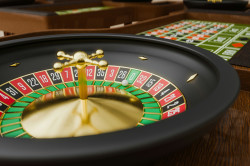
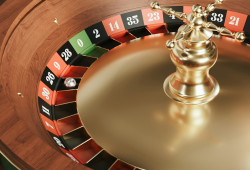
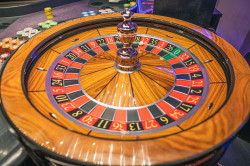
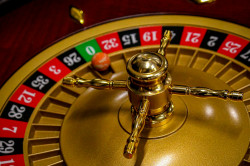
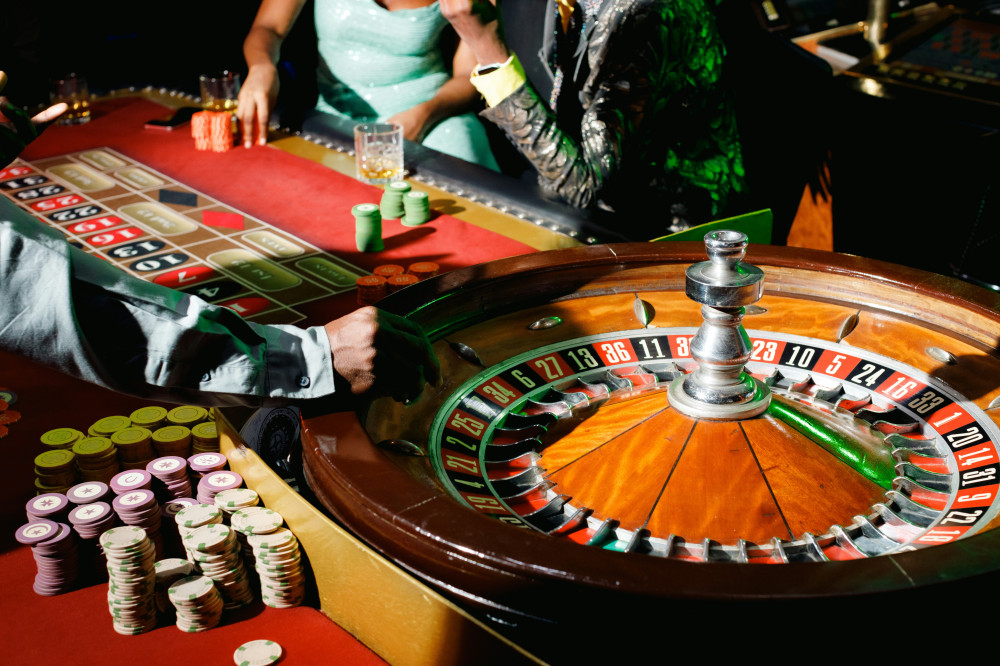
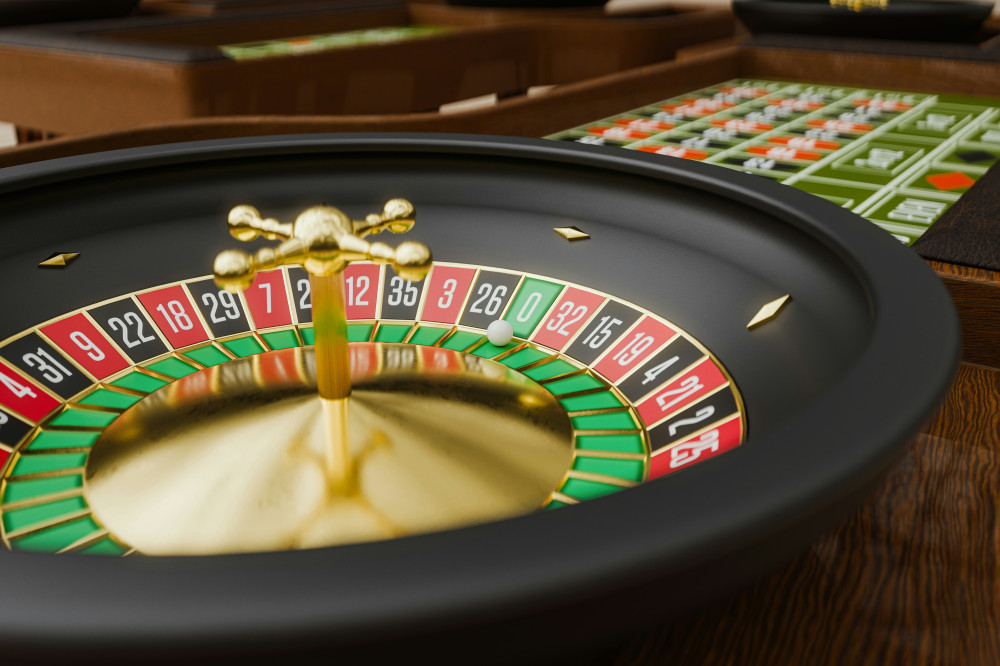
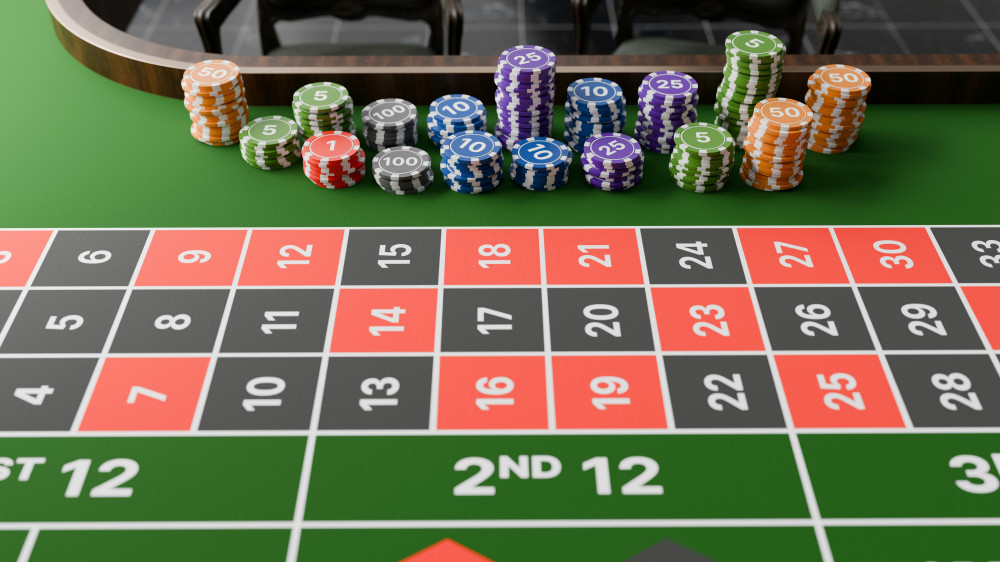
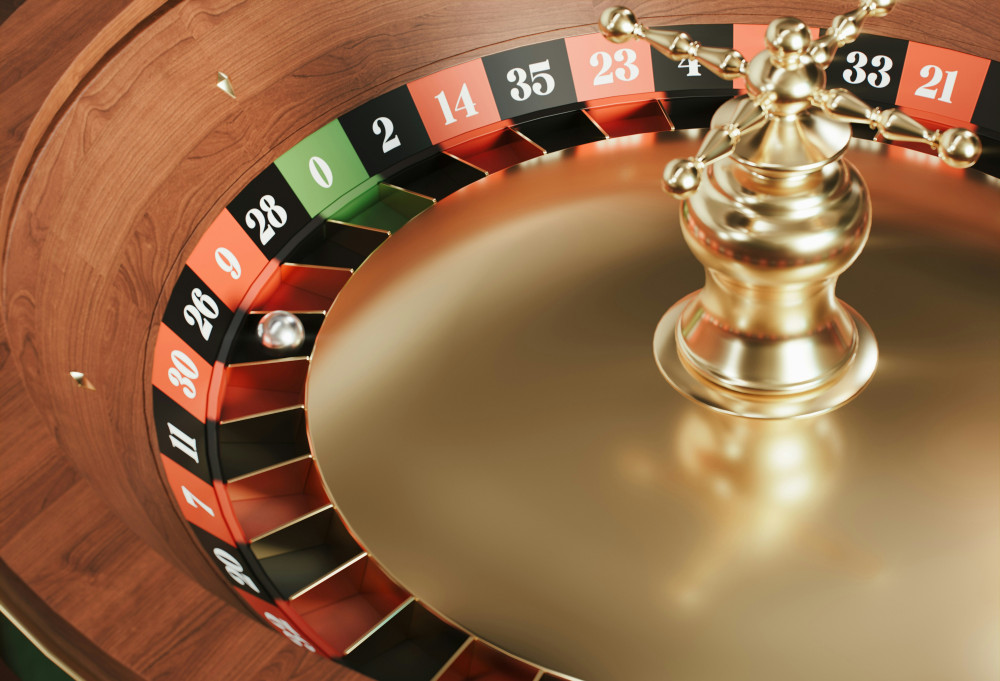
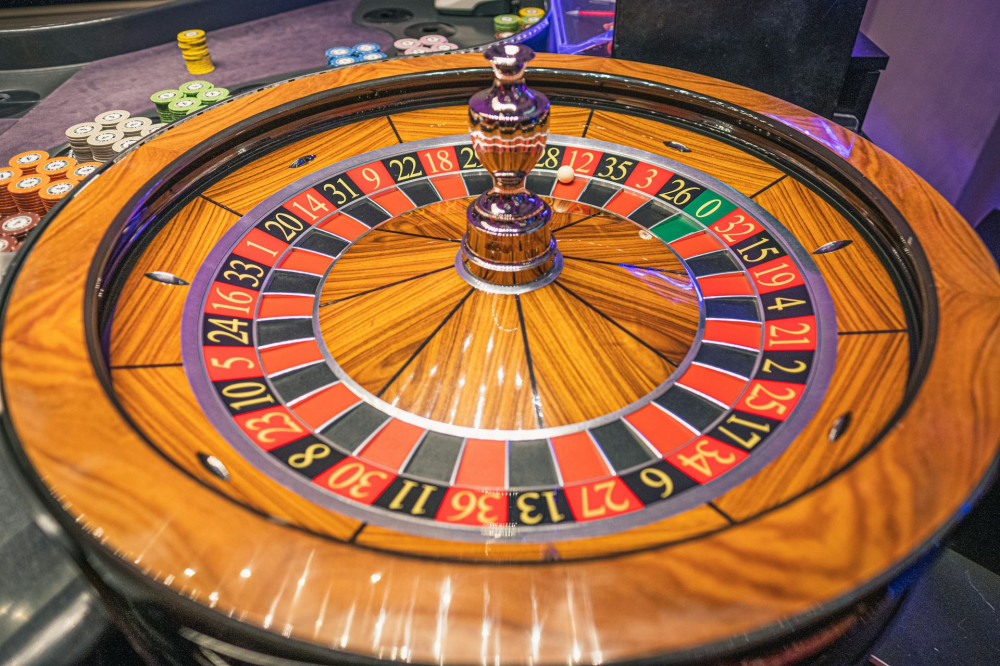
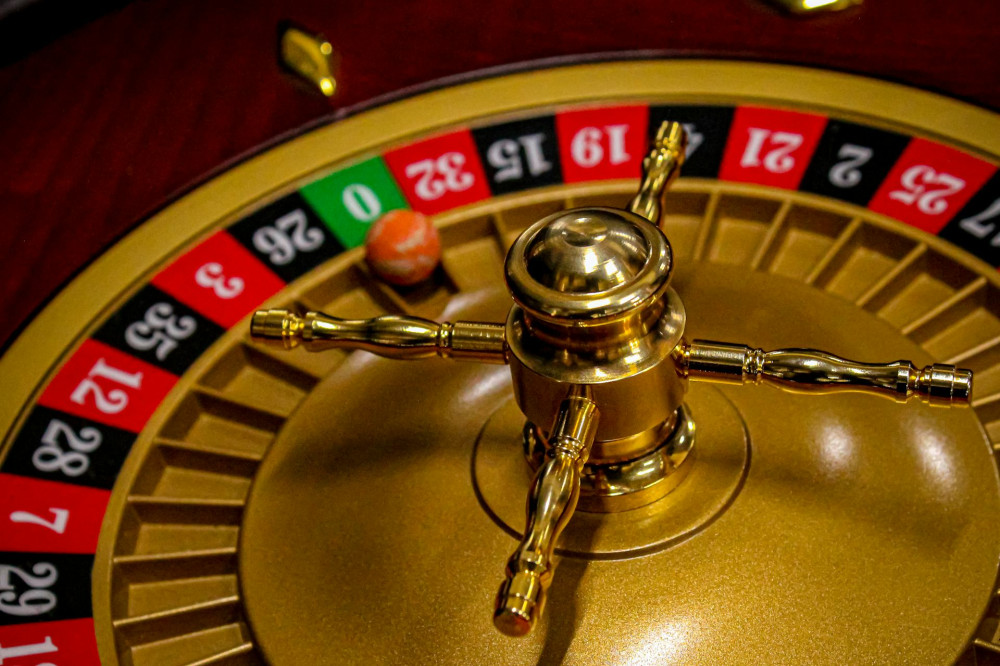
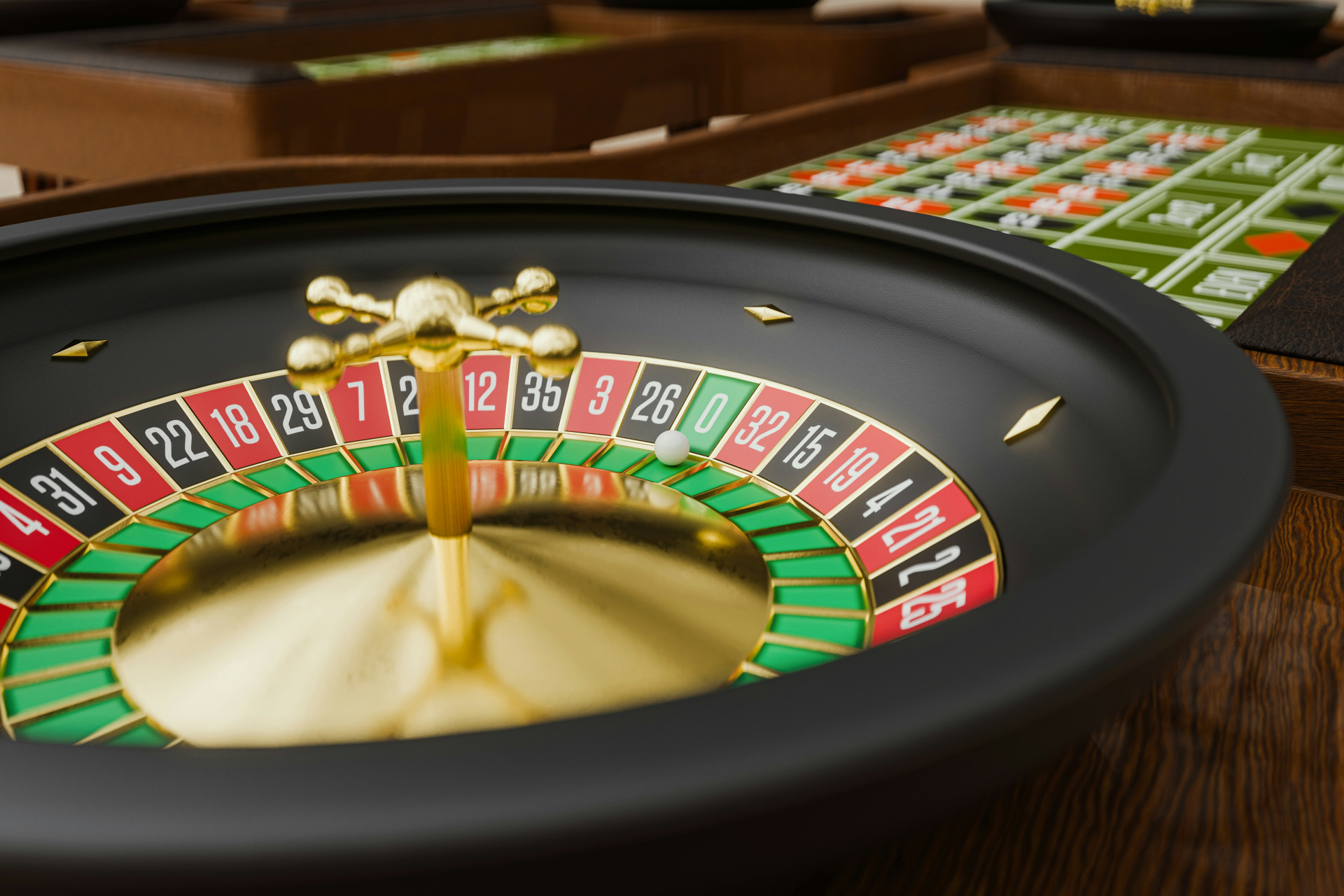
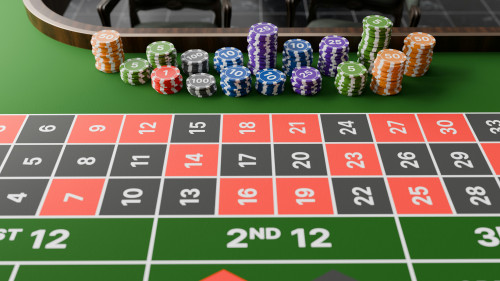
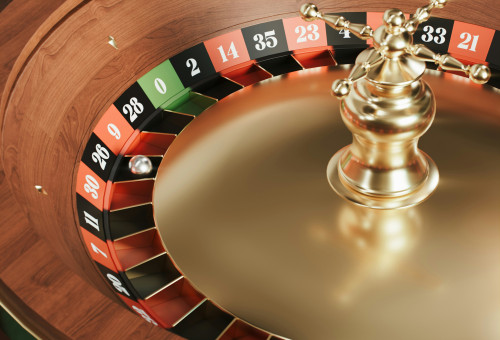
At its core, roulette is a game of pure chance. The wheel is divided into numbered pockets from 1 to 36, alternating in red and black, plus one or two green pockets for the zeros. In American roulette, there are both a single zero (0) and a double zero (00), while European roulette has only one zero. Players can bet on individual numbers, colors, ranges, or combinations, and the payout depends on the level of risk.
- Straight-up bets (a single number) offer the highest payout but the lowest chance of winning.
- Even-money bets such as red/black or odd/even give nearly a 50% chance of success but smaller rewards.
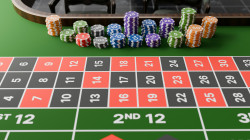
- Dozens and columns fall somewhere in between, offering moderate odds and payouts.
Each spin of the wheel is independent of the last. No pattern or system can influence where the ball will land next. That’s what makes roulette both exciting and unpredictable.
The House Edge—The Hidden Constant
Roulette is designed so that the casino always has a small mathematical advantage known as the house edge. In European roulette, the house edge is about 2.7%, while in American roulette it’s roughly 5.26% because of the extra 00 pocket. This means that, over time, the casino will keep a small portion of all money wagered.
That edge may seem minor, but it ensures that the game favors the house in the long run. For players, this means roulette should be viewed as entertainment—not as a way to make money.
Myths and Misconceptions
Roulette has inspired countless myths and betting systems. One of the most common is the “gambler’s fallacy”—the belief that past outcomes affect future results. For example, if the ball has landed on black several times in a row, some players assume red is “due.” In reality, each spin is independent, and the odds remain the same every time.
Another widespread misconception is that betting systems like the Martingale—where you double your bet after each loss—can guarantee a win. In practice, such systems require unlimited funds and no table limits, which don’t exist in real casinos. They can quickly lead to large losses instead of profits.
Playing Responsibly—Setting Limits
Roulette can be a fun and social experience when approached with self-awareness and moderation. Responsible play means setting boundaries and keeping the game within the realm of entertainment.
- Set a budget before you start playing, and stick to it—win or lose.
- Never chase losses. Trying to win back lost money often leads to deeper losses.
- Take breaks and pay attention to how the game affects your mood and behavior.
- Choose European roulette when possible—it offers better odds than the American version.
If gambling ever stops being fun or starts to feel like a problem, help is available. In the United States, you can contact the National Council on Problem Gambling (NCPG) at 1-800-GAMBLER or visit ncpgambling.org for confidential support and resources.
Læs også:
Roulette as an Experience—not an Investment
Roulette can be an enjoyable part of a night out, a social game that combines chance, atmosphere, and excitement. The key is to embrace it for what it is—a game of luck, not a path to profit.
Understanding the odds and the risks doesn’t take away from the fun; it enhances it. When you play with insight and responsibility, roulette becomes what it was always meant to be: a thrilling experience where chance rules the wheel, and enjoyment—not winnings—is the ultimate goal.
Læs også: