The House Edge in Blackjack: How the Rules Affect Your Odds

The House Edge in Blackjack: How the Rules Affect Your Odds
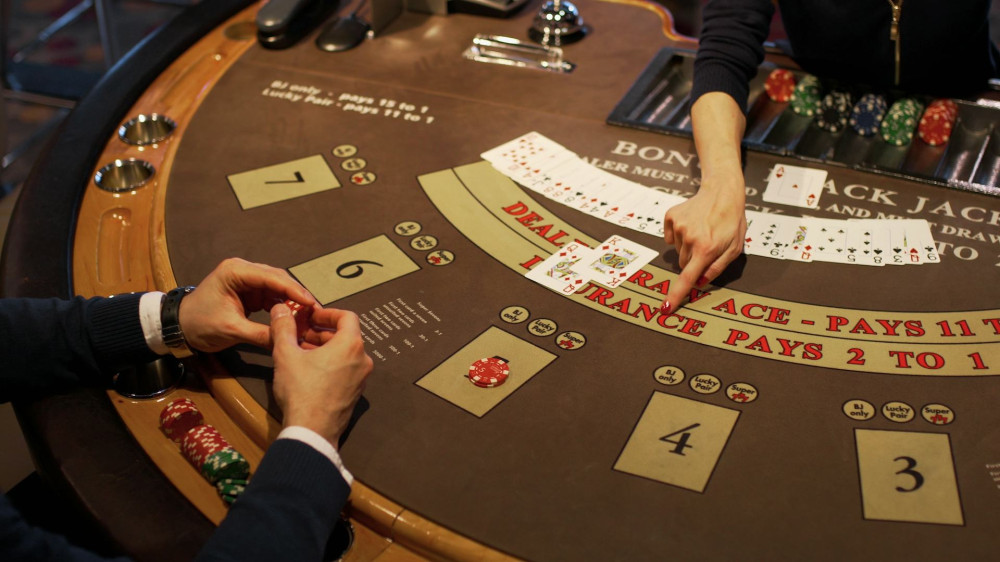
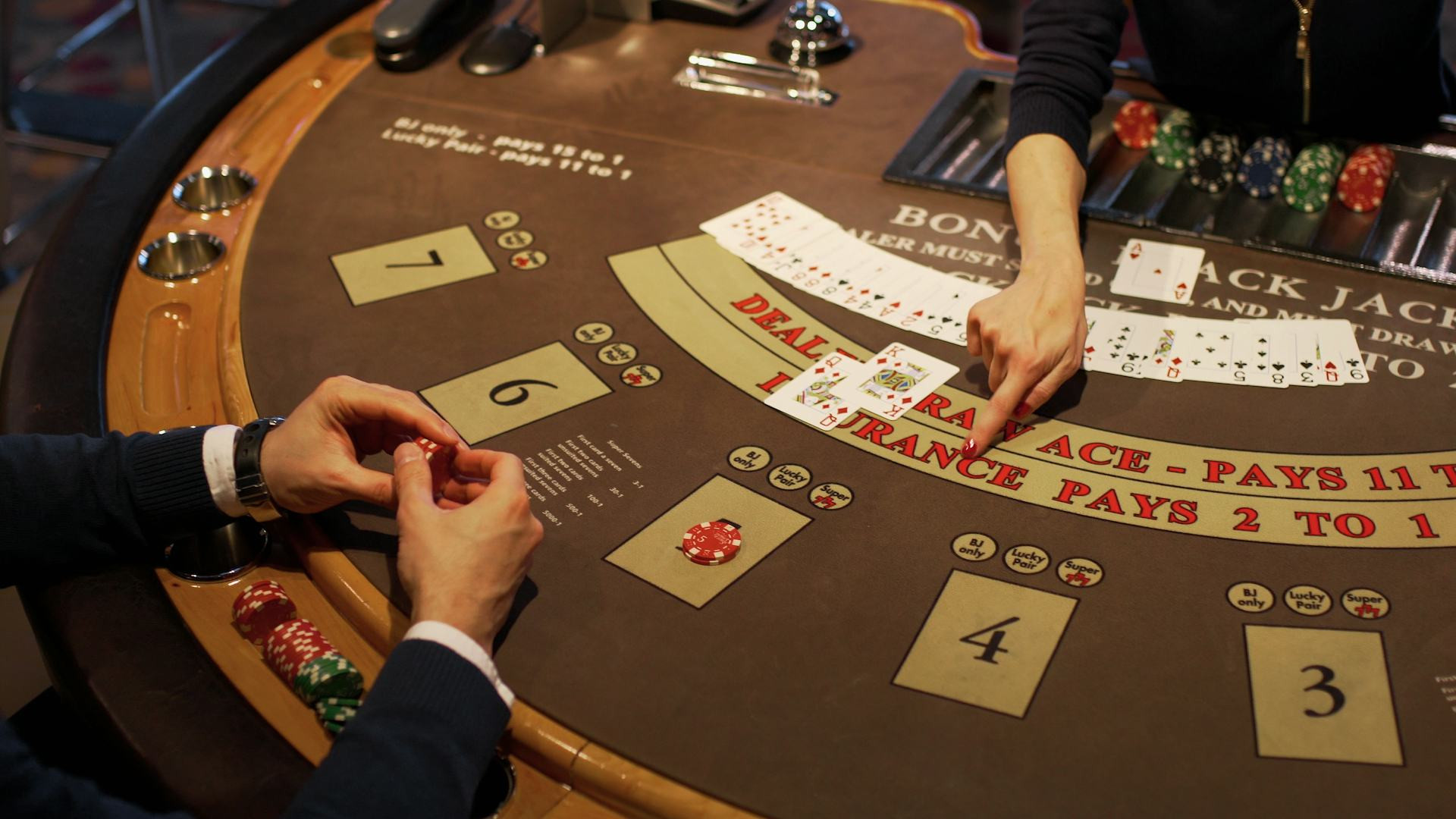
Blackjack is one of the most popular casino games in the United States—and for good reason. It combines luck and strategy in a way that gives players a real sense of control. But no matter how skilled you are, the house always has an edge. This house edge varies depending on the specific rules used at each casino. Here’s a breakdown of how the house edge works and how different rule variations can change your odds.
What Is the House Edge?
The house edge is the built-in statistical advantage the casino has over players in the long run. It’s expressed as a percentage of the total amount wagered. For example, if the house edge is 1%, the casino expects to win an average of $1 for every $100 bet—over time.
Blackjack has one of the lowest house edges of any casino game. With favorable rules and perfect strategy, it can drop to around 0.5%. But small rule changes can quickly double or even triple that advantage.
Key Rules That Affect Your Odds
While blackjack looks the same at first glance, the details of the rules can vary from one casino to another—both in brick-and-mortar casinos and online. Here are the most important factors that influence the house edge:
1. Number of Decks in Play
The more decks used, the higher the house edge. With a single deck, players can more easily keep track of which cards have been played, improving their decisions. Six or eight decks make it harder to estimate probabilities.
- Single deck: about 0.17% house edge
- Six decks: about 0.46% house edge
2. Dealer’s Action on “Soft 17”
A “soft 17” is a hand containing an Ace counted as 11 and a 6—so it can total either 7 or 17. If the dealer stands on soft 17, it’s better for the player. If the dealer must hit on soft 17, the house edge increases by roughly 0.2%.
3. Doubling Down Rules
Doubling down—doubling your bet after seeing your first two cards—is a key part of blackjack strategy. If the casino restricts when you can double (for example, only on 9, 10, or 11), the house edge goes up. Allowing players to double on any two-card hand gives better odds.
4. Splitting Pairs
When you’re dealt two cards of the same value, you can split them into two separate hands. The rules for splitting vary and have a big impact. Being allowed to re-split pairs or draw multiple cards after splitting Aces reduces the house edge. If you can only draw one card after splitting Aces, the house edge increases.
5. Blackjack Payouts
The traditional payout for a “natural” blackjack (an Ace and a 10-value card) is 3:2. Some casinos now offer only 6:5 payouts—and that’s a major downgrade for players. A 6:5 payout increases the house edge by about 1.4%, making it one of the worst rule changes for your odds.
Strategy and the House Edge
Even with the best rules, the house will always have a small advantage. But with correct play—known as basic strategy—you can minimize it. Basic strategy is based on mathematical probabilities and tells you when to hit, stand, double, or split depending on your hand and the dealer’s upcard.
Players who deviate from basic strategy increase the house edge significantly. Even small mistakes—like standing too early or hitting at the wrong time—can double the casino’s advantage.
Why the House Always Wins in the Long Run
Although blackjack gives players better chances than most casino games, it’s still designed so the house wins over time. That’s because:
- The dealer acts last: If you bust (go over 21), you lose immediately—even if the dealer busts afterward.
- Rules favor the casino: Casinos can tweak rules just enough to tilt the odds in their favor.
- Statistics don’t lie: Over thousands of hands, even a small percentage edge guarantees the house a steady profit.
How to Find the Best Blackjack Tables
If you want to give yourself the best possible odds, look for tables with these rules:
- 3:2 payout for blackjack
- Dealer stands on soft 17
- Doubling allowed on any two cards
- Ability to split and re-split pairs, especially Aces
- Fewer decks in the shoe
These tables are often found in higher-limit sections, but the improved odds can make the extra cost worthwhile.
Læs også:

Conclusion: Small Rules, Big Difference
The house edge in blackjack isn’t fixed—it depends on the specific rules and how well you play. With the most favorable conditions and perfect strategy, you can get very close to even odds, but you’ll never completely eliminate the house’s advantage. For most players, the key is understanding the rules, playing smart, and treating blackjack as a game where knowledge and discipline truly make a difference.
Læs også: