Play with Awareness: When Entertainment Meets Probability in Slot Machines

Play with Awareness: When Entertainment Meets Probability in Slot Machines
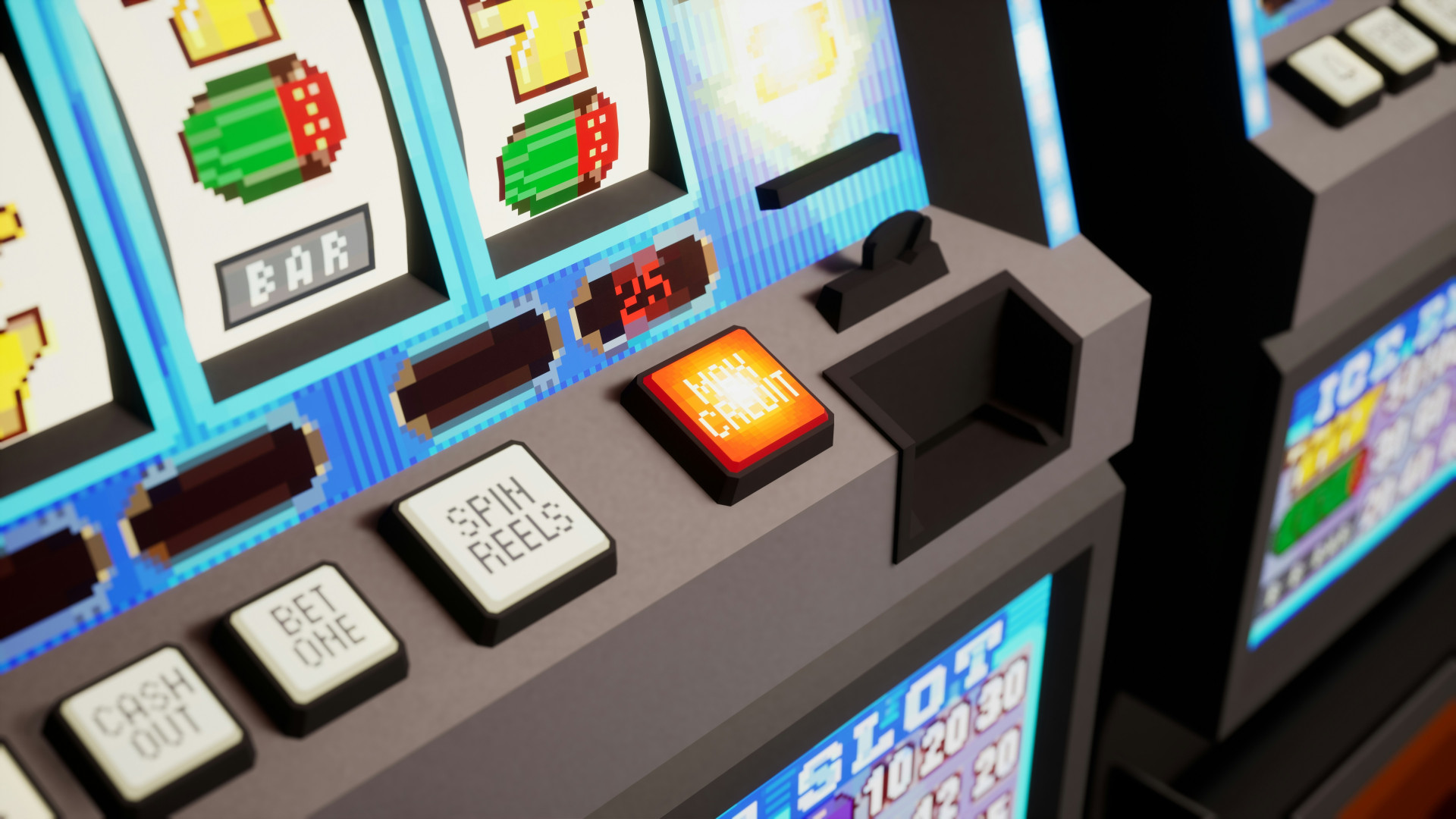
For decades, slot machines have been one of the most popular forms of entertainment in the United States—whether in Las Vegas casinos, local gaming venues, or online platforms. They attract players with bright lights, catchy sounds, and the thrill of watching the reels spin. But behind the excitement lies a carefully designed system built on mathematics and probability. Understanding that system is key to playing with awareness—and to keeping the experience fun rather than risky.
Slot Machines as Entertainment
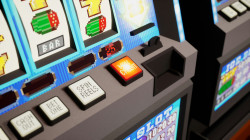
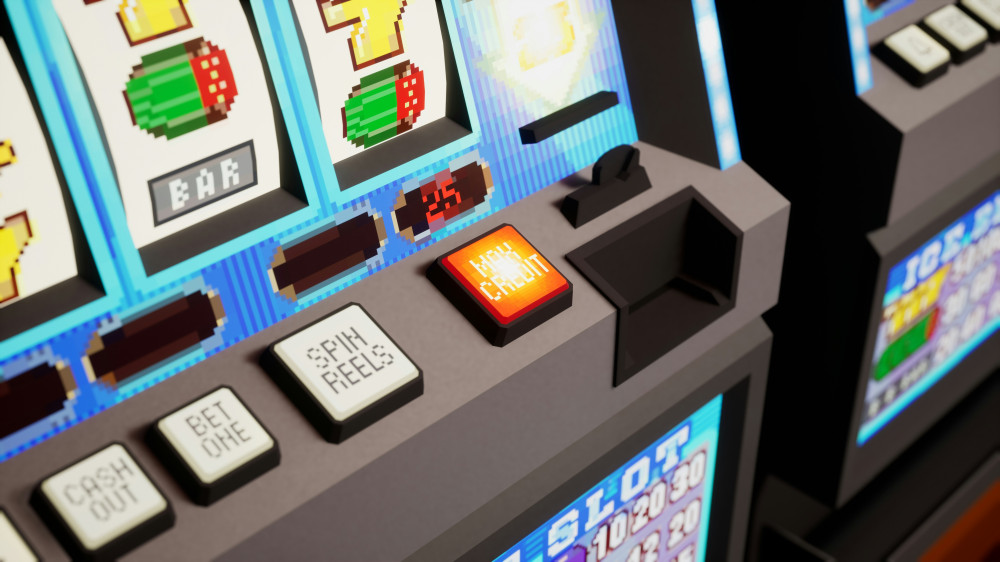
For many players, the appeal of slots is the experience itself. It’s a moment of anticipation, a quick rush when the symbols line up, and the satisfaction of a small win. Modern slot machines are designed to deliver exactly that: an immersive, sensory experience. The graphics, music, and themes—ranging from classic fruit symbols to blockbuster movies and mythology—are all crafted to capture attention and sustain engagement.
However, it’s important to remember that slot machines are not games of skill. Unlike poker or blackjack, there’s no strategy that can influence the outcome. Every spin is determined by chance, and that’s where probability comes into play.
Læs også:
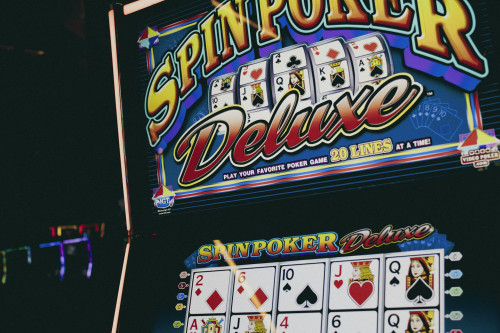
What Probability Means in Slot Games
Each time you press “spin,” a Random Number Generator (RNG) determines the result. This means every spin is independent of the last—there are no “hot” or “cold” machines, and no pattern to predict. The odds of winning are built into the game’s design and are often expressed through the Return to Player (RTP) percentage.
An RTP of 96% means that, on average, the machine pays back $96 for every $100 wagered—but that’s a long-term average calculated over thousands of spins. Individual results can vary widely. RTP is a theoretical measure, not a promise of what any one player will experience.
When Entertainment Meets Psychology
Slot machines are not just about math—they also tap into human psychology. Small wins, flashing lights, and celebratory sounds trigger the brain’s reward system. Even when a payout is smaller than the bet, it can still feel like a win. This “near-miss” effect can encourage players to keep spinning, chasing that next big moment.
Awareness is the antidote. Understanding how these psychological triggers work helps players stay in control. It’s not about avoiding the game altogether—it’s about playing with open eyes and a clear mind.
Play with Awareness – Practical Tips
If you choose to play, a few simple principles can help you keep the experience positive:
- Set a budget – and stick to it. Treat it as an entertainment expense, not an investment.
- Set a time limit – play in short sessions and take breaks.
- Accept the randomness – no strategy can change the odds.
- Stop when it’s no longer fun – gambling should be entertainment, not stress.
- Use responsible gaming tools – many online casinos and state-regulated platforms offer deposit limits, time reminders, and self-exclusion options.
By following these guidelines, you can keep the game enjoyable and avoid it turning into a problem.
Technology and Transparency
As online gaming continues to grow in the U.S., transparency has become increasingly important. Licensed operators are required to display RTP information, use certified RNG systems, and provide tools for responsible play. This helps players make informed decisions and promotes safer gaming environments.
At the same time, new forms of interactive entertainment are emerging—some designed to educate players about probability and randomness. These innovations may help foster a more informed and mindful gaming culture.
A Conscious Approach to Play
Slot machines can be a fun and exciting pastime when approached with understanding. Knowing how probability works—and how design and psychology influence behavior—makes it easier to stay in control and enjoy the game for what it is: entertainment.
Awareness doesn’t mean abstaining. It means making informed choices, knowing your limits, and keeping the experience aligned with your lifestyle and budget. In the end, it’s not the jackpot that defines the value of play—it’s the enjoyment of the moment.
Læs også: