The Bingo Toolkit: The Most Common Types of Equipment and How They’re Used

The Bingo Toolkit: The Most Common Types of Equipment and How They’re Used
Bingo is a game that blends excitement, community, and a touch of luck. Whether you’re playing at a local church hall, a tribal casino, or online from your living room, the right equipment helps make the experience smooth, fair, and fun. In this article, we’ll take a closer look at the most common types of bingo equipment used in the United States—how they work, what they’re made of, and how they’ve evolved from traditional setups to modern digital systems.
The Basics of Bingo Equipment
No matter where or how you play, bingo always relies on the same core idea: numbers are drawn at random, and players mark them on their cards. To make that happen, a few key tools are essential.
The Bingo Card – The Heart of the Game
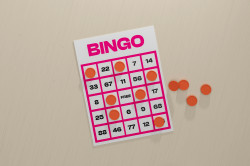
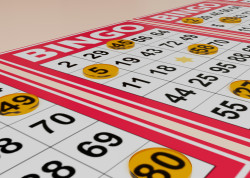
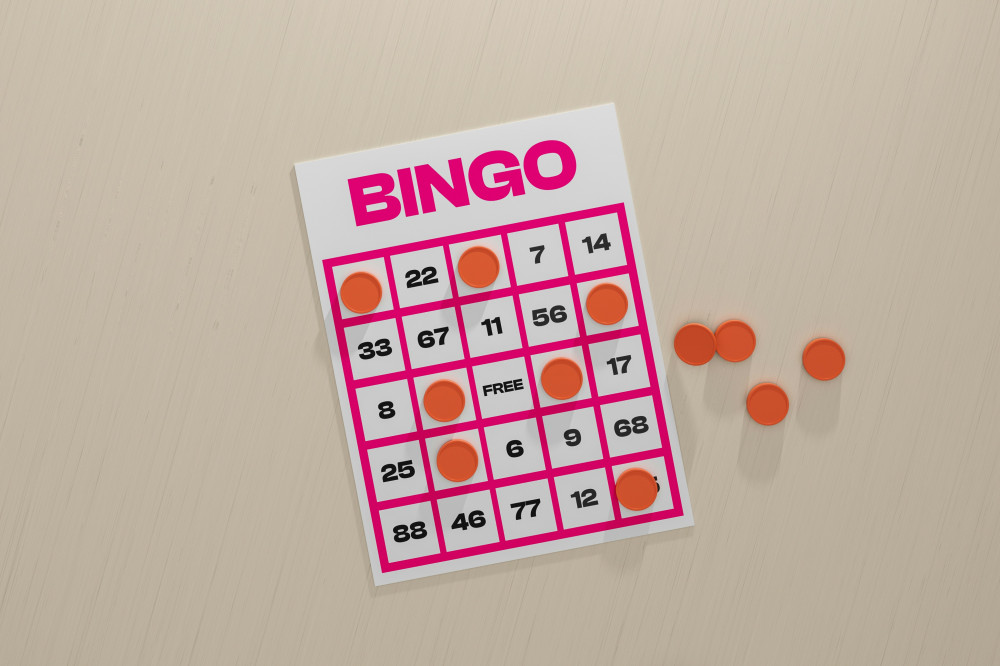
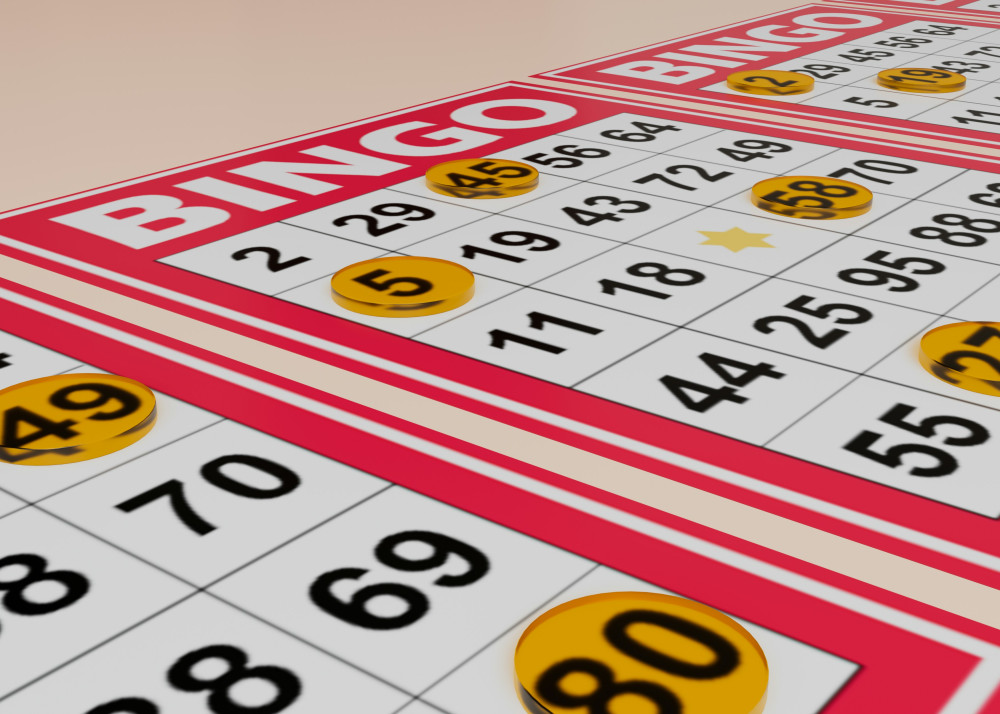
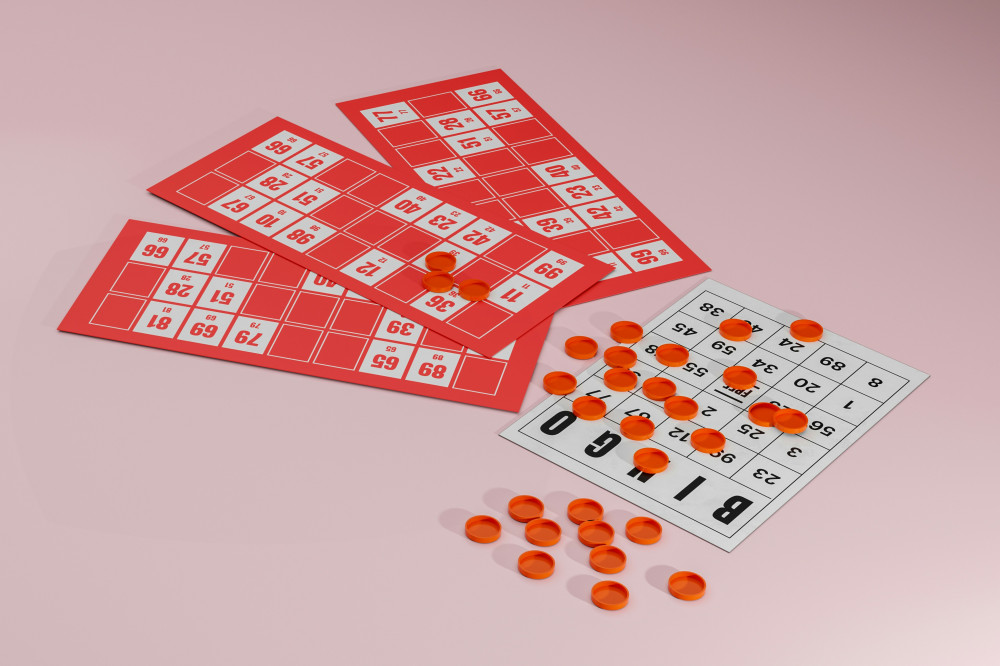
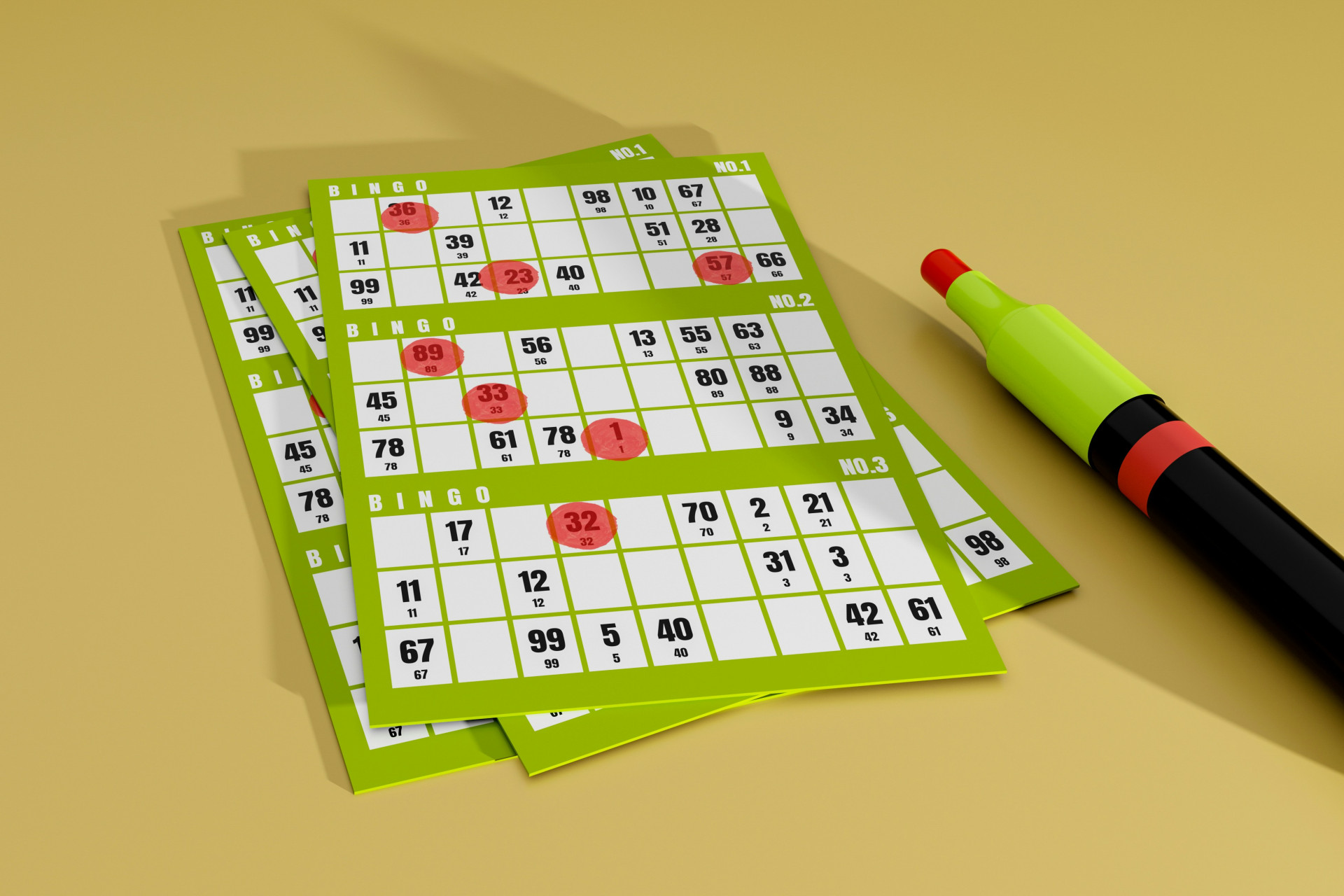
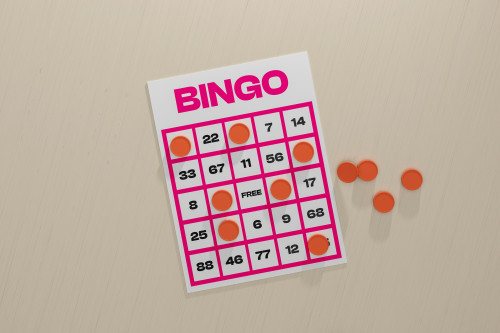
The bingo card is the foundation of every game. In the U.S., the most common version is 75-ball bingo, which uses a 5x5 grid labeled with the letters B-I-N-G-O across the top. Each column corresponds to a range of numbers—for example, “B” covers 1–15, “I” covers 16–30, and so on. The center square is usually a “free space.”
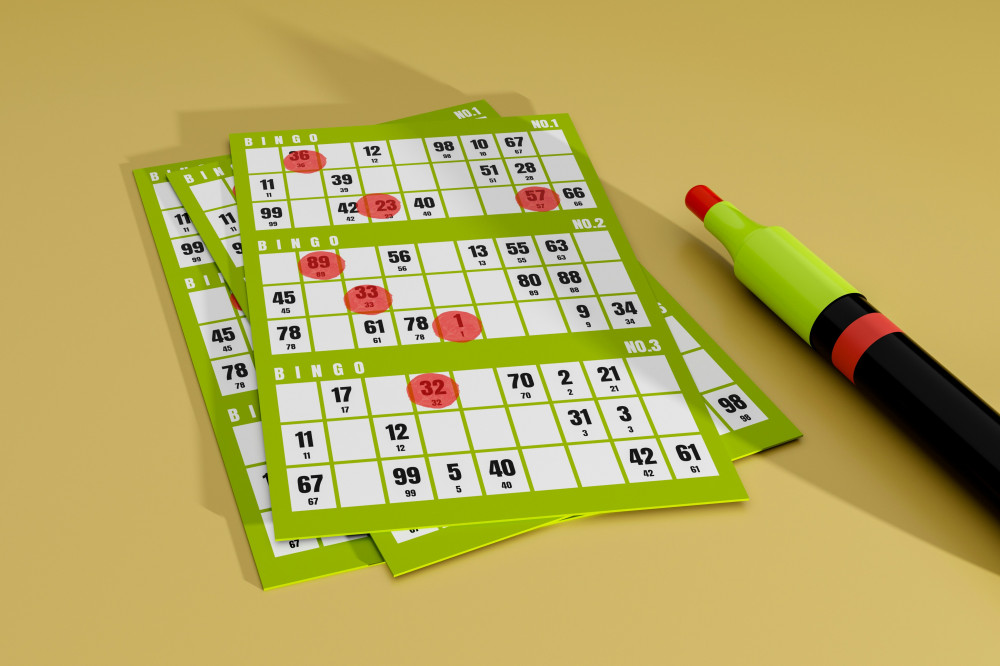
Cards can be printed on paper, laminated for reuse, or displayed digitally on tablets or screens. Many players like to play multiple cards at once to increase their chances of winning, which adds both challenge and excitement.
Bingo Balls and the Cage – The Tools of Chance
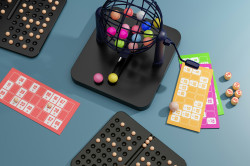
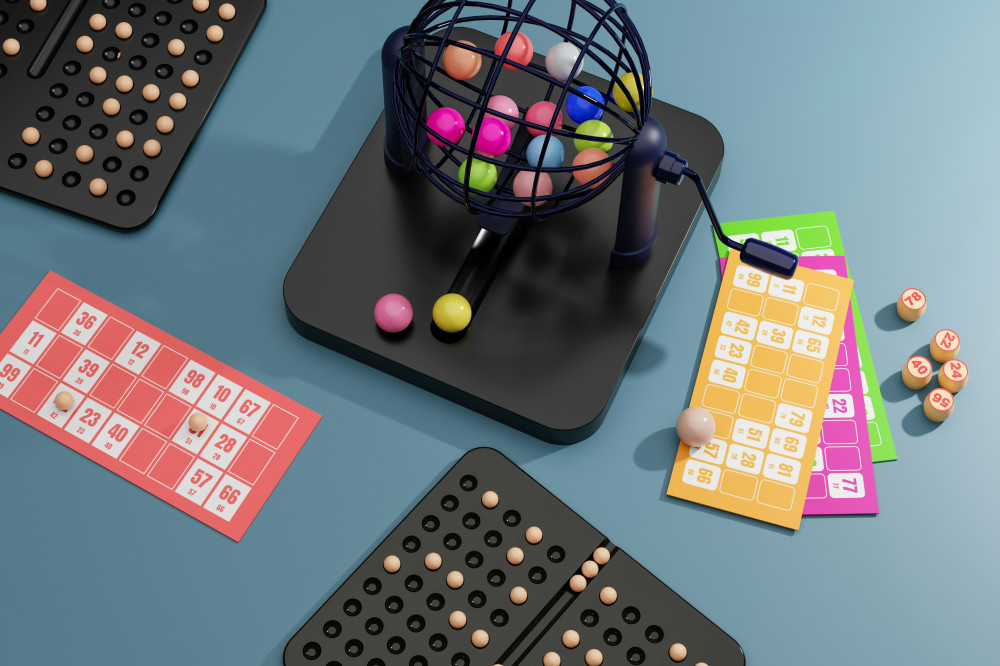
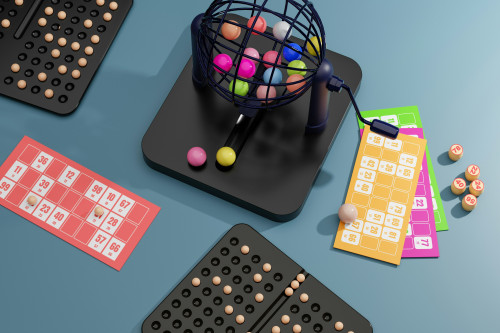
In traditional American bingo halls, a bingo cage or blower machine is used to draw numbers. The cage is filled with 75 numbered balls, usually made of plastic or lightweight wood. As the cage spins, one ball is randomly selected and announced to the players.
Modern halls often use electronic random number generators (RNGs) instead of physical balls. These systems ensure fairness and speed up the game, while still maintaining the thrill of waiting for your number to be called.
Daubers and Markers – Keeping Track of the Action
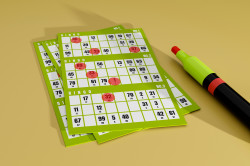
When a number is called, players need to mark it quickly on their cards. That’s where bingo daubers come in. These are colorful ink markers that stamp a translucent circle over the number, making it easy to see which spots have been called. Daubers come in a variety of colors and designs—some players even consider them lucky charms.
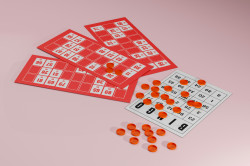
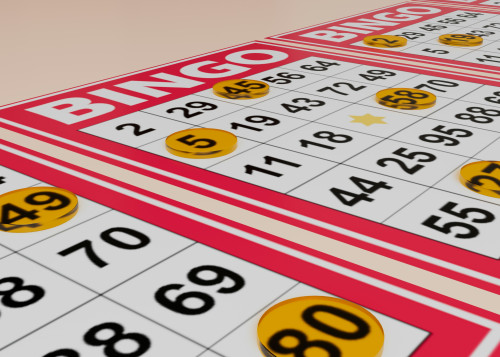
For reusable cards, small plastic chips or magnetic markers can be used instead. In online bingo, the system automatically marks your numbers, though many platforms let you turn off auto-marking if you prefer to do it yourself.
Modern Tools and Technology
While bingo has deep roots in American culture, technology has transformed how it’s played and enjoyed. From electronic consoles to mobile apps, the game has adapted to new generations of players.
Electronic Bingo Machines
In many commercial bingo halls and casinos, electronic bingo machines handle everything from number drawing to card tracking. Players can buy electronic cards that appear on a screen, and the machine automatically marks numbers as they’re called. This allows players to manage dozens of cards at once without missing a beat.
Some systems even link multiple halls together for networked or “linked” bingo, where players across different locations compete for shared jackpots.
Online Bingo and Mobile Apps
Online bingo has exploded in popularity across the U.S., offering convenience and variety. Everything—from the cards to the number draws—happens digitally. Many platforms include chat rooms, emojis, and community features that recreate the social side of in-person bingo.
Mobile apps also make it easy to play on the go, whether for fun or for real prizes. Some apps host themed games, tournaments, or charity events, keeping the spirit of bingo alive in a digital age.
Accessibility Tools
Bingo is a game for everyone, and modern equipment reflects that. There are large-print cards for players with limited vision, high-contrast screens for electronic systems, and audio cues for those with hearing impairments. These tools ensure that everyone can participate and enjoy the game equally.
Accessories That Add Personality
Beyond the essentials, many players bring their own flair to the bingo table. The little extras can make the experience more personal and enjoyable.
- Lucky Charms and Trinkets – From rabbit’s feet to small figurines, many players keep lucky items by their cards for good fortune.
- Bingo Bags and Organizers – Regular players often carry a dedicated bingo bag filled with daubers, cards, snacks, and other essentials.
- Decorations and Themes – Some community games feature themed nights—like holiday bingo or charity fundraisers—complete with decorations and costumes.
- Prizes and Payouts – In the U.S., prizes range from small cash pots at local fundraisers to large jackpots in casino or online games.
Choosing the Right Equipment
The best bingo setup depends on where and how you play. For home games, a simple kit with cards, balls, and a small cage is all you need. For community events, investing in a quality blower machine or electronic number generator can make the game run more smoothly. And if you prefer online play, focus on finding a reputable platform with the right mix of game styles, chat features, and prize options.
Læs også:
The Bingo Toolkit in a Nutshell
At its core, bingo is a simple game powered by a few key tools: a card, a set of numbers, and a way to mark them. Yet from church basements to casino floors to mobile screens, these tools have evolved to fit every kind of player. Whether you’re chasing a jackpot or just enjoying a night of laughter and luck, the bingo toolkit is what keeps the game rolling—one number at a time.
Læs også: