From Europe to Asia: The History and Cultural Evolution of Bingo Through Time

From Europe to Asia: The History and Cultural Evolution of Bingo Through Time
Today, bingo is known as a friendly, social game that brings people together in community halls, cruise ships, and online chat rooms. But behind the colorful cards and the thrill of calling out numbers lies a fascinating story that spans centuries and continents. From its origins in 16th-century Italy to its modern forms across Europe and Asia, bingo has evolved from a lottery for the elite into a global pastime that connects millions.
From Italian Lottery to French Parlors
Bingo’s roots trace back to Italy in the 1500s, where a game called Il Gioco del Lotto d’Italia became a popular form of entertainment and a source of state revenue. Players purchased tickets and hoped their chosen numbers would match those drawn at random—a concept that would later inspire many modern lottery systems.
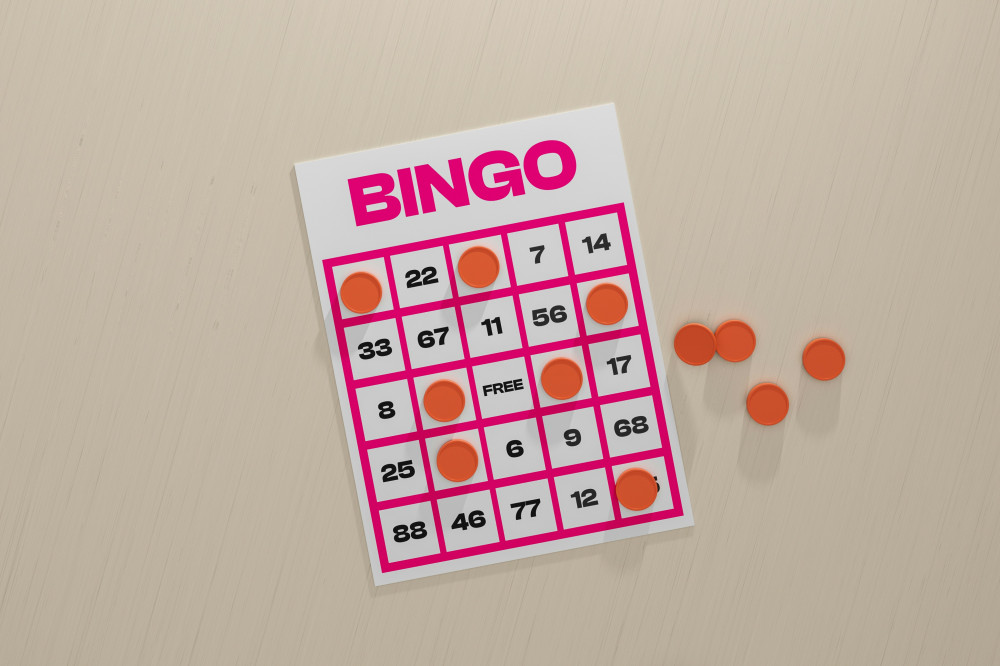
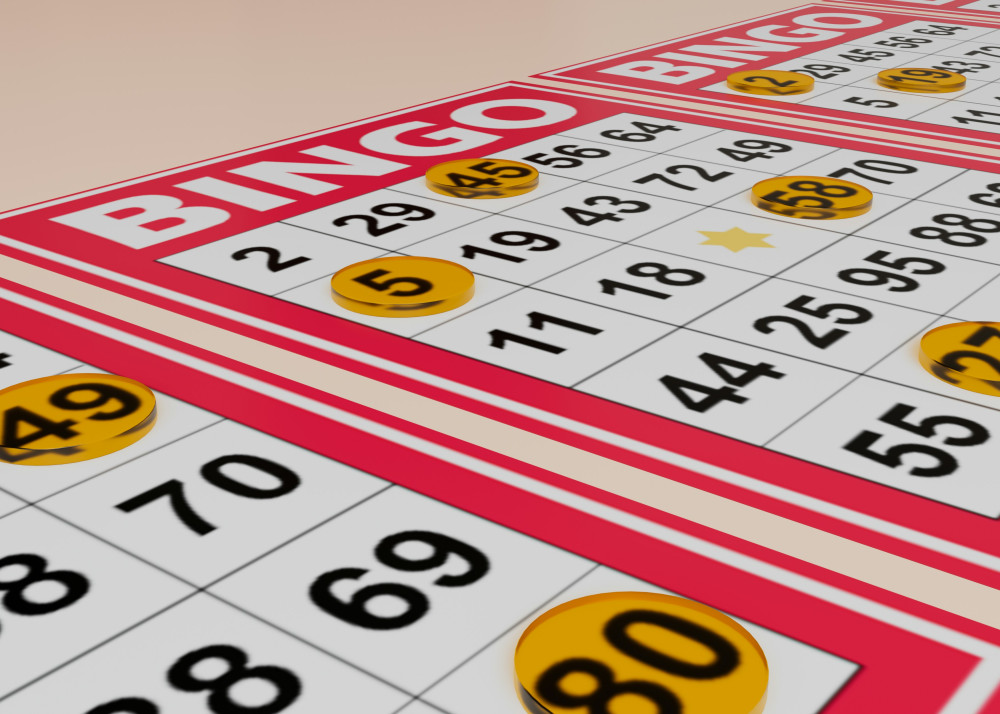
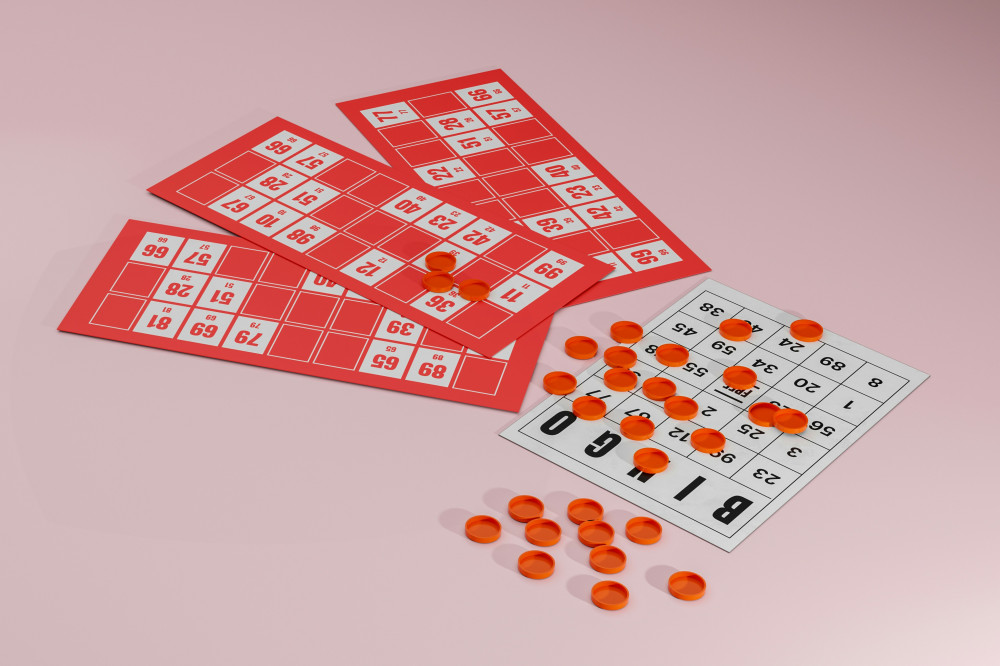
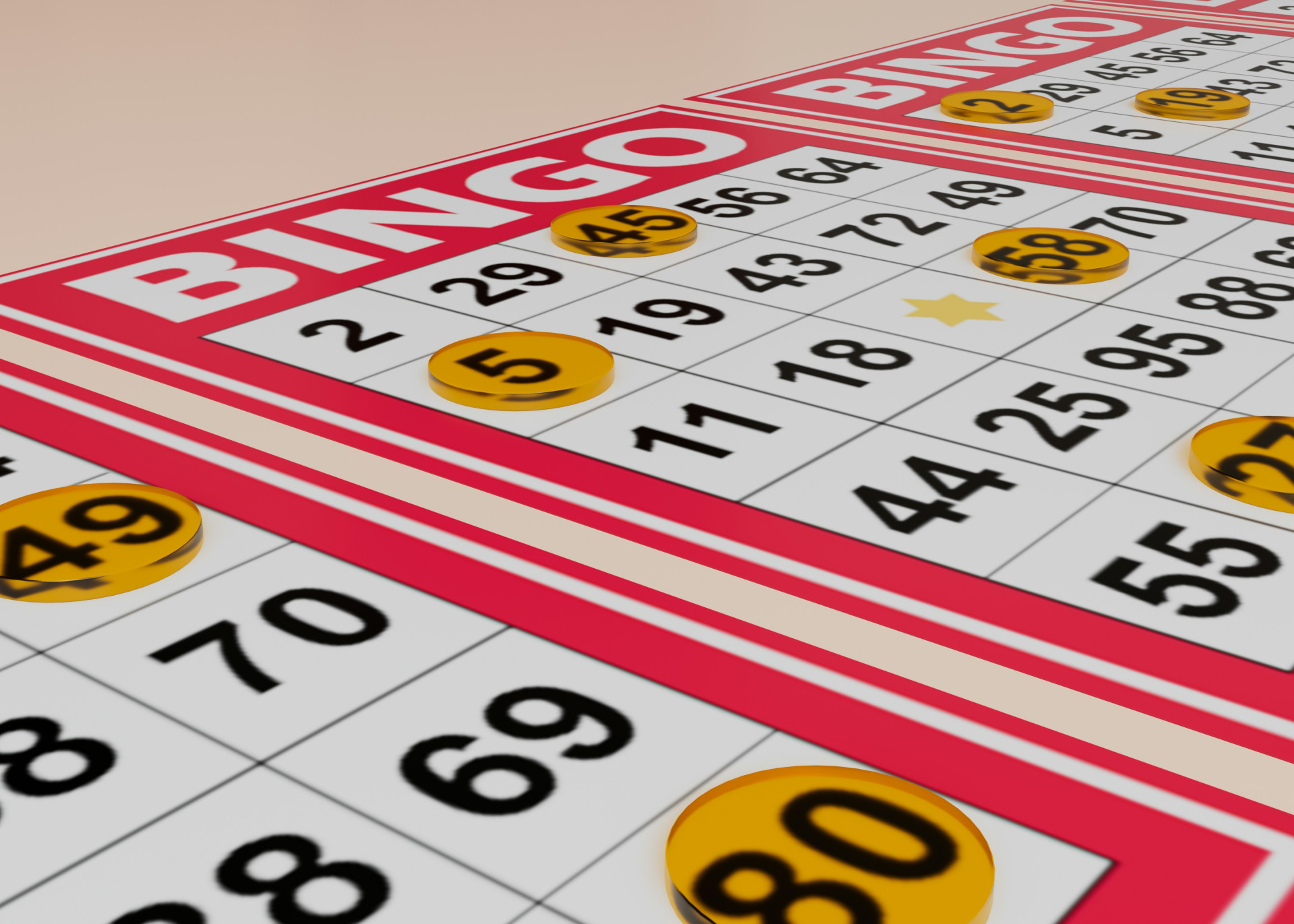
By the 18th century, the game had spread to France, where it was known as Le Lotto and enjoyed by the upper classes. In French salons, the game took on a more social and structured form. Players used cards divided into rows and columns, and a caller announced numbers drawn from a bag. This format laid the groundwork for the bingo cards we recognize today.
The British and American Reinvention
In the 19th century, the game reached Britain, where it became a popular pastime at fairs and charity events. It was often used to raise funds for local causes, blending entertainment with community spirit. But it was in the United States that bingo truly found its modern identity.
In the 1920s, American toy manufacturer Edwin S. Lowe encountered a similar game at a carnival in Georgia, where players shouted “Beano!” when they completed a row. According to legend, one excited player accidentally yelled “Bingo!” instead—and the name stuck. Lowe saw the game’s potential, refined its design, and began selling bingo sets nationwide. Churches and community groups quickly adopted it as a fun and effective way to raise money, and bingo nights became a cherished American tradition.
From Church Halls to Casinos—and Then Online
Throughout the 20th century, bingo became a fixture of social life in many countries. In the U.S., it was especially popular in church basements and community centers, where it offered both entertainment and fellowship. In the U.K., large bingo halls flourished after World War II, serving as lively gathering places for working-class communities.
The arrival of the internet in the 1990s transformed bingo once again. Online bingo platforms allowed players to join games from anywhere in the world, often featuring chat rooms, themed events, and digital prizes. Despite moving from physical halls to virtual spaces, the game retained its social essence—the joy of shared anticipation and friendly competition.
Bingo in Asia: Tradition Meets Technology
In recent decades, bingo has found new life in Asia, where it has been reimagined through the lens of modern technology and local culture. In Japan and South Korea, bingo is often integrated into entertainment venues, mobile apps, and even television shows. In the Philippines and parts of China, it has become a popular feature at festivals, fundraisers, and community gatherings.
Asian versions of bingo frequently blend traditional gameplay with innovative twists—some combine it with karaoke, others with live-streamed hosts or augmented reality features. These adaptations highlight bingo’s remarkable flexibility: it can evolve with the times while preserving its core appeal—the suspense of waiting for the next number and the shared excitement of a win.
Læs også:


A Game That Connects Generations
One of bingo’s greatest strengths is its ability to bring people together across generations, backgrounds, and cultures. It’s easy to learn, requires little equipment, and encourages interaction and laughter. Whether played in a small-town hall in the Midwest, a bustling Tokyo arcade, or an online community spanning continents, bingo continues to embody the same spirit of connection that has defined it for centuries.
Though technology has changed how we play, the heart of bingo remains the same as it was 500 years ago: a game of luck, hope, and togetherness. Its history is not just a story of gaming, but a reflection of human creativity, community, and the universal joy of play.
Læs også: