Who Does the Game Attract? Assessing the Design’s Appeal to Different Types of Casino Players

Who Does the Game Attract? Assessing the Design’s Appeal to Different Types of Casino Players
When a new casino game hits the market, its success rarely depends solely on payout rates or bonus features. The design — from colors and sound to pacing and symbols — plays a crucial role in determining who the game appeals to. Some players seek calm and strategy, while others chase adrenaline and flashing lights. But how does a game’s design speak to different types of casino players, and what does it reveal about who it’s made for?
Visual Identity: Color, Theme, and Atmosphere
A slot’s visual design is the first thing players notice — and the first thing that sets expectations. Colors, graphics, and themes are carefully chosen to evoke specific emotions and attract certain audiences.
- Adventure and fantasy themes featuring treasure maps, mythical creatures, or ancient temples often appeal to players who crave immersion and escapism. For them, the story is as important as the potential win.
- Classic fruit machines with simple symbols and retro sounds attract nostalgic players who associate the design with tradition and familiarity.
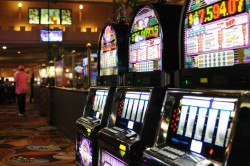
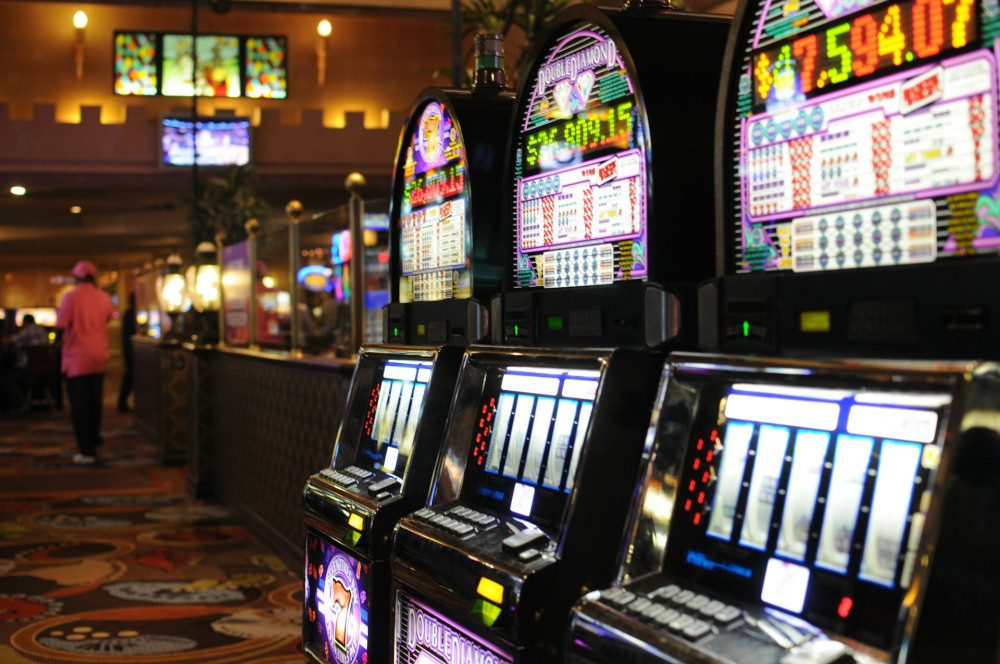
- Modern, neon-lit slots with fast animations and electronic soundtracks target those who seek energy, speed, and visual stimulation.
In this way, design acts as a language — one that communicates directly to different player types, often on a subconscious level.
Sound and Pacing: The Emotional Engine of Play
The soundscape of a casino game is more than background noise. It’s an emotional engine that drives excitement and engagement. Fast rhythms and rising tones create intensity, while softer sounds and slower tempos foster relaxation.
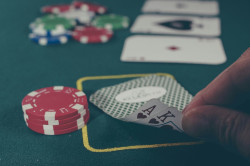
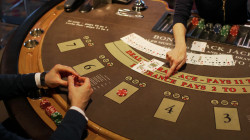
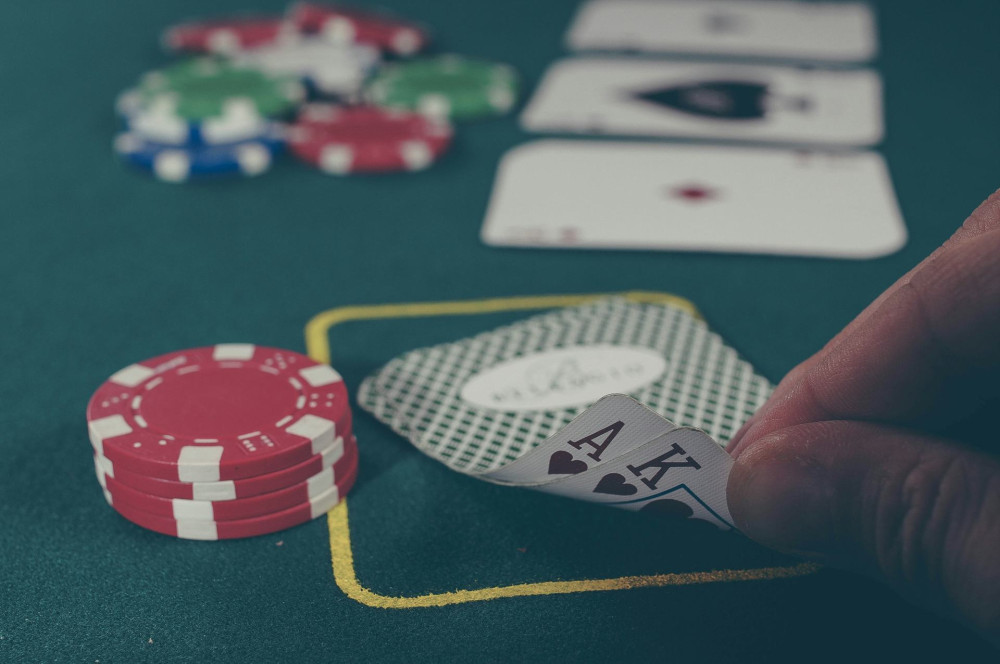
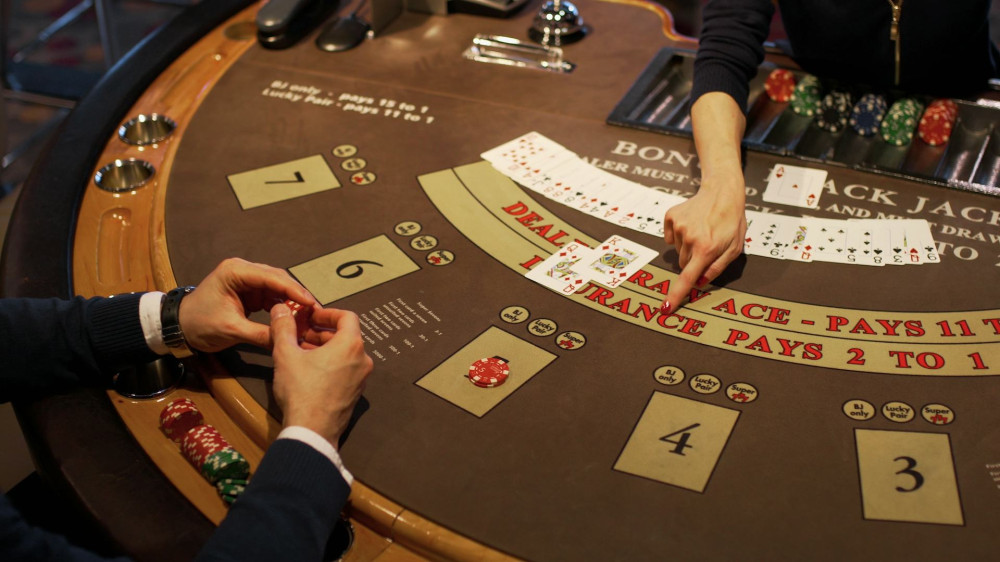
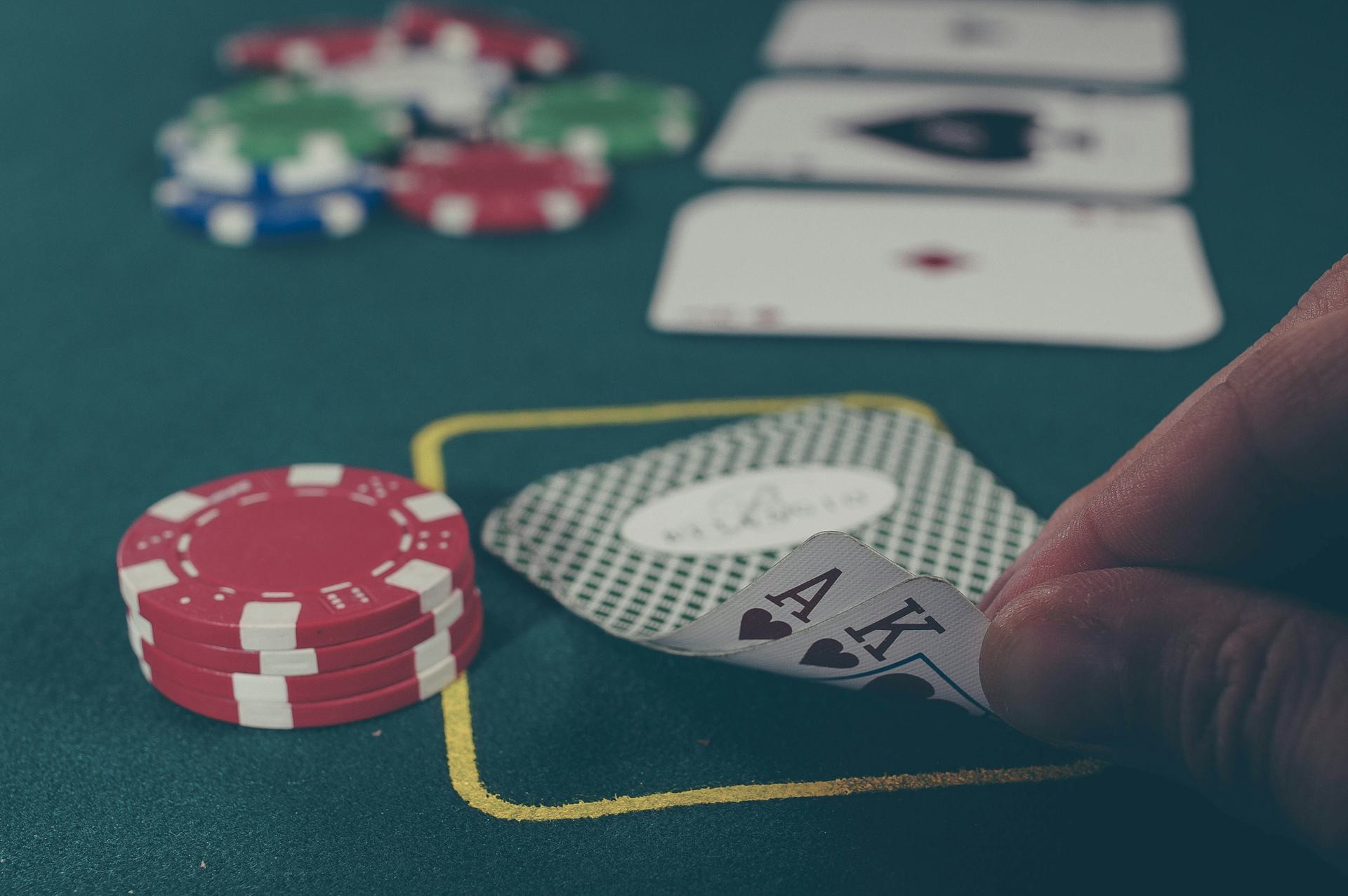
Games with rapid pacing and constant visual feedback tend to attract the “action player” — someone who thrives on quick results and continuous stimulation. In contrast, the “strategist” prefers games like poker or blackjack, where slower pacing allows for planning and decision-making.
Through tempo and sound, design can guide players into specific emotional states — from calm focus to euphoric excitement.
Læs også:

Reward Systems and Symbolism
Another key design element lies in how the game rewards players — not just through payouts, but through subtle visual and auditory cues: flashing lights, celebratory sounds, or animations that highlight a near-win.
These micro-rewards are especially effective for the “experience player”, who plays for the thrill rather than the jackpot. For this type, the sense of progress and reward is what keeps the game engaging.
Meanwhile, the “goal-oriented player” values transparency and control. A chaotic or overly random design can be off-putting, as it undermines the sense of skill and mastery that this player type seeks.
Social and Digital Dimensions
As online casinos become more interactive, design also plays a role in fostering community. Chat features, leaderboards, and shareable results appeal to the “social player”, who finds motivation in comparing achievements and connecting with others.
Here, design becomes a tool for belonging — creating a sense of shared experience even in a digital environment. This trend is especially visible in newer games that blur the lines between gaming, entertainment, and social media.
Design as a Mirror of the Player
Ultimately, a casino game’s design is a mirror reflecting the player it aims to attract. It’s not just about aesthetics — it’s about psychology: which emotions to evoke, and which experiences to sustain.
- The nostalgic player seeks familiarity and simplicity.
- The strategic player seeks control and structure.
- The experience-driven player seeks intensity and variation.
- The social player seeks connection and community.
A successful game balances these elements — or deliberately focuses on one and executes it consistently. That’s when design becomes more than decoration: it becomes part of the game’s identity and a key to understanding who it attracts — and why.
Læs også: