The Myth of “Lucky Numbers”: Why Past Drawings Don’t Affect Your Odds

The Myth of “Lucky Numbers”: Why Past Drawings Don’t Affect Your Odds
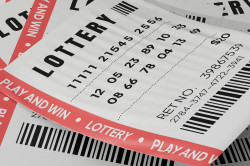
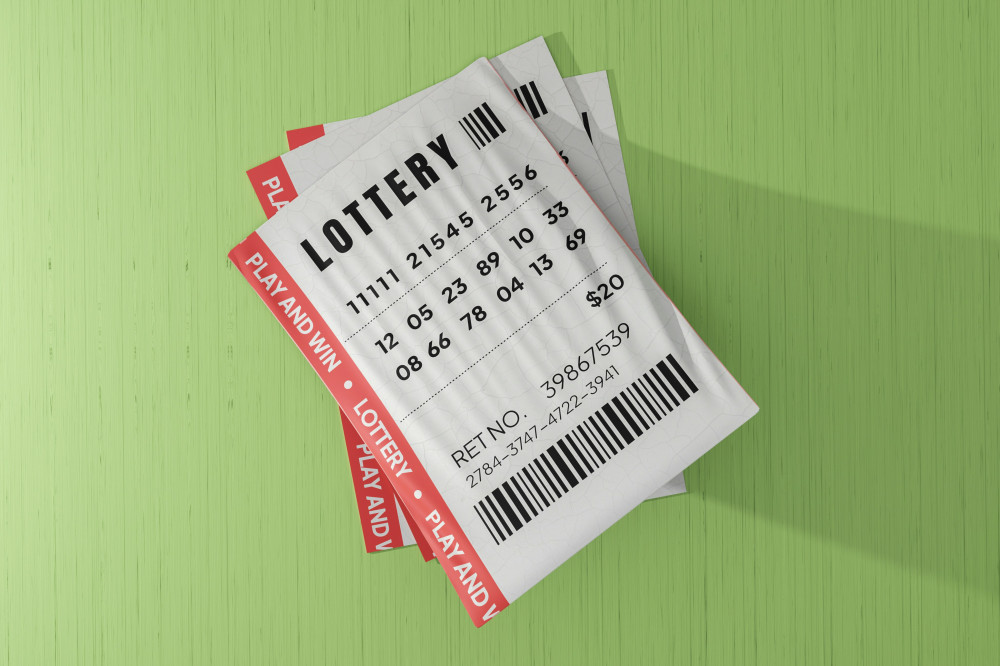
Every week, millions of Americans buy lottery tickets, hoping that this time their numbers will finally hit. Some pick birthdays, others stick to “lucky numbers,” and many believe that certain combinations are “due” to come up soon. But the idea that past drawings can influence future results is one of the most persistent myths in the world of gambling. In reality, every drawing is completely independent — which means your odds never change, no matter what happened before.
Why We Believe in Lucky Numbers
Humans are natural pattern-seekers. Our brains are wired to find order, even in randomness. When we notice that a number has been drawn several times, or that another hasn’t appeared in months, we start to think there must be a reason. “It’s time for 7 to show up again,” we tell ourselves — but that’s an illusion.
This tendency is known as the gambler’s fallacy — the mistaken belief that past events affect the likelihood of future ones, even when they’re independent. If a coin lands on heads five times in a row, many people assume tails is “due” next. But the probability remains 50/50 every single flip. The coin doesn’t remember.
Each Drawing Is a Fresh Start
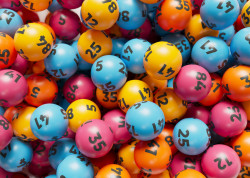
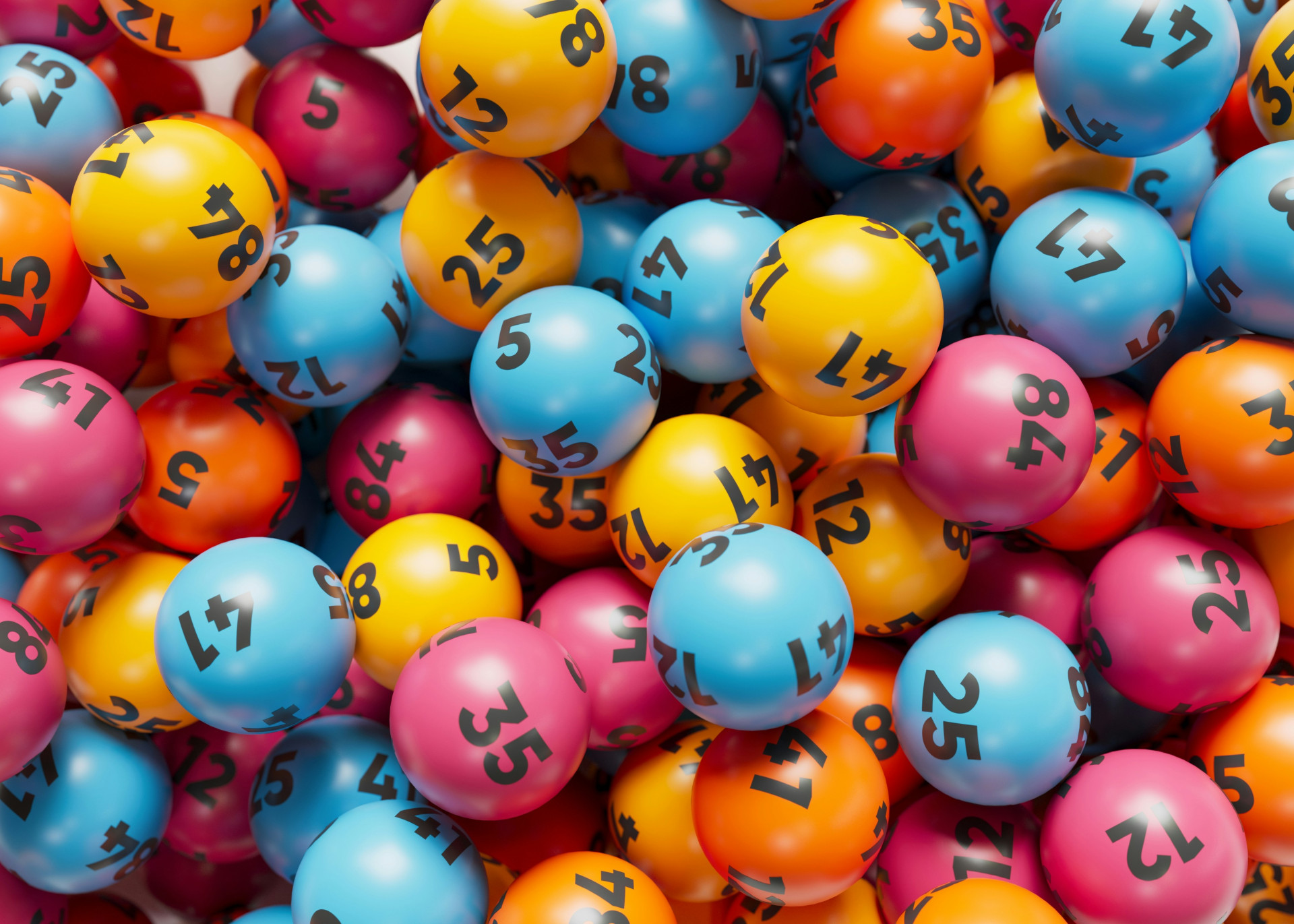
In games like Powerball or Mega Millions, the numbers are drawn completely at random. Each ball has exactly the same chance of being selected as any other, and the machine doesn’t “remember” what happened last week. So even if the number 13 has been drawn three times in a row, that has no effect on whether it will appear again.
Mathematically, the odds of winning remain constant. For example, the chance of hitting the Powerball jackpot is about 1 in 292 million — every single drawing. Whether you play 1, 2, 3, 4, 5, 6 or a random mix of numbers, your odds are identical.
Statistics Can Trick Our Intuition
When you look at long lists of past drawings, it can seem like some numbers appear more often than others. But that’s just randomness at work. Over time, all numbers will be drawn roughly the same number of times, but in shorter periods, streaks and gaps naturally occur — just like rolling a die and getting a six twice in a row.
Our brains struggle to accept pure chance. We crave meaning and patterns because they make us feel in control. That’s why myths about “hot” and “cold” numbers persist — but they have no real influence on the outcome.
How to Play Smart — Without Superstition
Even though you can’t change the odds, you can still make smarter choices when you play. Here are a few tips:
- Pick numbers randomly. Avoid patterns like birthdays or sequences — many people choose the same ones, which increases the chance you’ll have to share a prize if you win.
- Play for fun, not profit. Treat the lottery as entertainment, not an investment strategy.
- Don’t chase losses. Each drawing is independent — luck doesn’t “owe” you anything.
- Try quick picks or random generators. They don’t improve your odds, but they keep your choices unpredictable and simple.
Læs også:
The Myth Lives On — But the Math Doesn’t Lie
Belief in lucky numbers and “overdue” drawings is part of lottery folklore. It gives players a sense of control in a game ruled entirely by chance. But if you really want to understand how the lottery works, the key is to accept this simple truth: no pattern, no strategy, and no past result can change your odds.
So the next time you fill out your ticket, feel free to pick your numbers at random — because when it comes to the lottery, the universe has no memory.
Læs også: