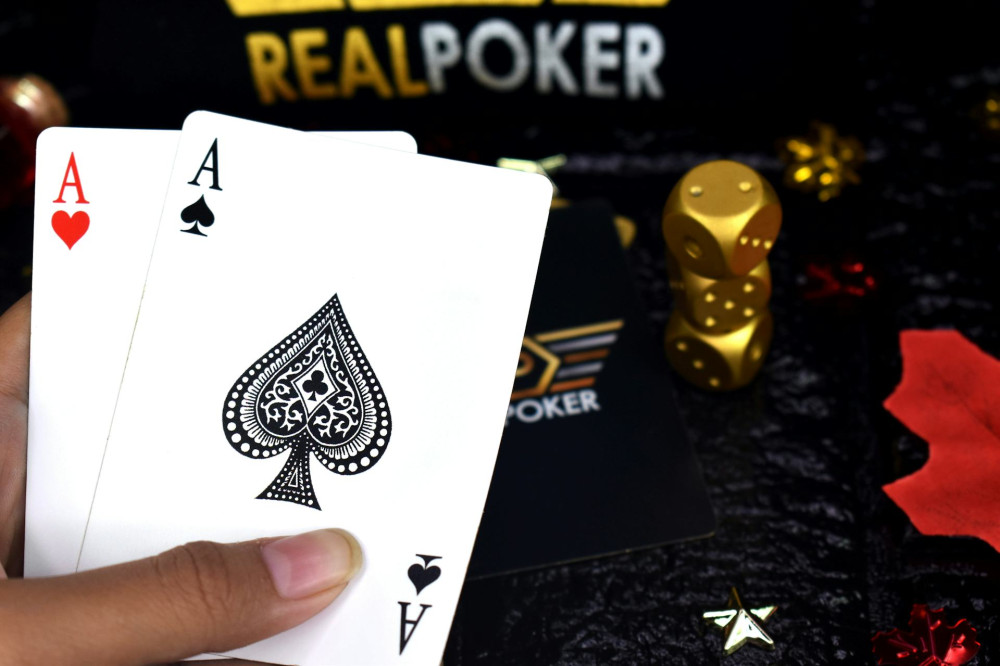
Adjust Your Bankroll: Adapt Your Strategy When the Economy or Your Playing Style Changes


Adjust Your Bankroll: Adapt Your Strategy When the Economy or Your Playing Style Changes
Your bankroll is the foundation of responsible gaming—whether you enjoy poker, sports betting, or online slots. It’s the financial framework that helps you play with control and confidence, ensuring you never risk more than you can afford to lose. But life doesn’t stand still. Your financial situation, goals, and even your approach to gaming can shift over time. That’s why it’s essential to adjust your bankroll regularly so it always fits your current reality.
What It Means to Adjust Your Bankroll
Adjusting your bankroll isn’t just about setting a new dollar amount for play. It’s about rethinking your entire approach—how much you wager, how often you play, and what types of games you choose. A flexible bankroll allows you to adapt when your income, motivation, or risk tolerance changes.
For example, if you start playing more frequently, you might want to spread your bankroll across more sessions to avoid overspending in one sitting. On the other hand, if you play less often, you could allow slightly larger bets per session—so long as it still fits comfortably within your budget.
When the Economy Changes
Economic ups and downs affect everyone. Maybe you’ve landed a new job, faced higher living costs, or are saving for a big purchase. These shifts influence how much you can realistically set aside for entertainment, including gaming.
- If your budget grows, you can consider increasing your bankroll gradually. It’s easy to get carried away, but remember: the purpose of a bankroll is to maintain control, not to justify unlimited play.
- If money gets tighter, it’s time to scale back. That might mean smaller bets, fewer sessions, or even taking a break. The key is that gaming should never interfere with essential expenses or savings goals.
A good rule of thumb: your bankroll should always be money you can afford to lose without affecting your daily life.
When Your Playing Style Changes
Over time, many players notice their gaming habits evolve. Maybe you’ve moved from casual play to a more strategic mindset, or perhaps you prefer shorter, more focused sessions.
- If you’re becoming more strategic, consider tracking your results and adjusting your bankroll based on the level of risk you take per game.
- If you play mainly for relaxation, set a fixed limit per week or month and stick to it—regardless of wins or losses.
- If you’re trying new games, start with smaller bets until you understand the game’s rhythm and volatility. This helps protect your bankroll from quick losses.
Understanding your playing style makes it easier to find the right balance between fun and responsibility.
Set Clear Limits—and Stick to Them
A bankroll only works if you respect the limits you’ve set. It can be tempting to “borrow” from next month’s budget after a losing streak, but that undermines the entire purpose of having a plan.
If you play online, take advantage of tools like deposit limits or session timers. They help you manage both your money and your time, keeping your gaming experience healthy and enjoyable.
Læs også:




Review Your Bankroll Regularly
Just as you review your household budget or savings plan, you should also check in on your bankroll periodically. A monthly or quarterly review can give you a clear picture of your habits and whether adjustments are needed.
Ask yourself:
- Have I stayed within my limits?
- Has my financial situation changed?
- Am I still enjoying the experience?
If the answer to that last question is no, it might be time to take a break or explore other ways to unwind.
A Balanced Bankroll Brings Peace of Mind
Ultimately, adjusting your bankroll is about maintaining control and peace of mind. When you know you’re playing within your means, you can enjoy the game without stress or guilt. That makes the experience more fun—and more sustainable in the long run.
Gaming should always be entertainment, not financial pressure. A well-managed bankroll helps you keep that balance, no matter how your life—or your playing style—evolves.
Læs også: